

You’ve set the gear, dialed the speed, and watched the rod tips for hours. Yet somehow the salmon and steelhead keep winning. The brad cut plug has earned its reputation on Pacific Northwest rivers and coastal waters as one of the most effective trolling lures ever made. But most anglers barely scratch the surface of what this lure can do. This guide goes deep on everything from rigging and scent prep to troubleshooting poor action on the water, so you spend less time guessing and more time fighting fish.
Table of Contents
- Key takeaways
- What a brad cut plug actually is
- Gear checklist before you hit the water
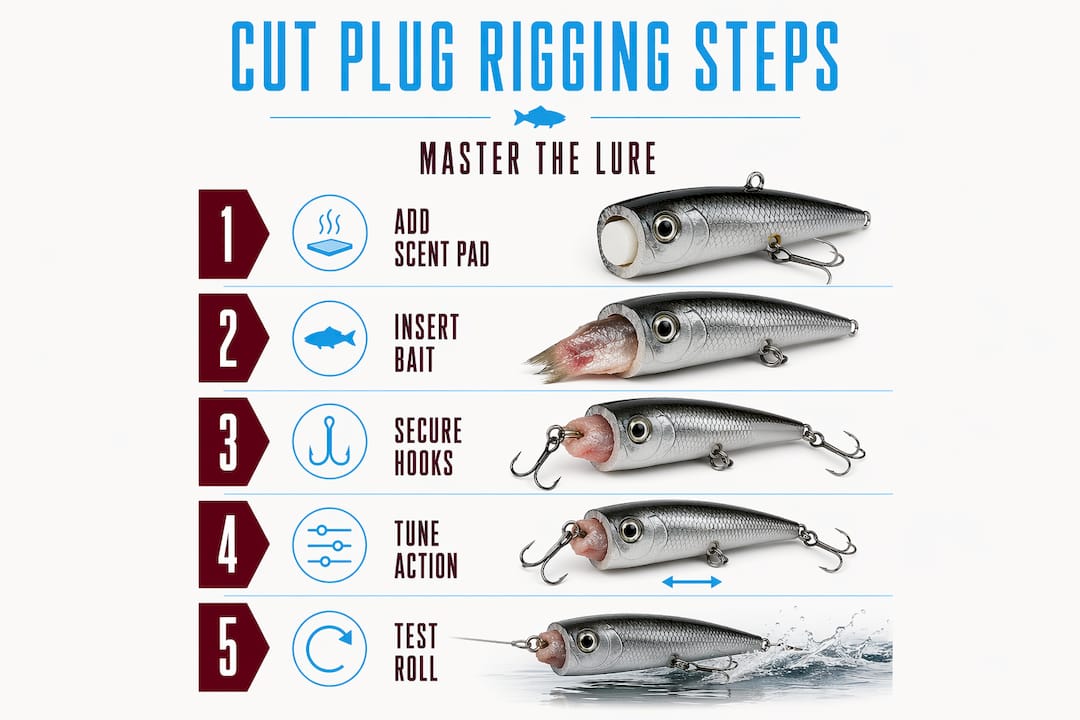
- Step-by-step rigging for brad cut plugs
- Bait and scent strategies that actually work
- Common mistakes and how to fix them fast
- Reading strikes and landing more fish
- Nick’s take on mastering this lure
- Gear up with Highclasstackleco for your next session
- FAQ
Key takeaways
| Point | Details |
|---|---|
| Scent prep beats color | Swapping scent pads quickly without breaking trolling rhythm improves catch rates more than lure color. |
| Rigging determines action | Proper bait cavity packing and hook placement are the difference between a rolling lure and a dead one. |
| Action tuning is adjustable | Tight and wide roll settings let you match the lure to current water conditions and fish behavior. |
| Gear checklist matters | Having leaders, swivels, rubber bands, and scent pads ready before launch saves critical time on the water. |
| Mistakes are fixable fast | Most common rigging errors can be corrected in minutes if you know what to look for. |
What a brad cut plug actually is
The brad cut plug is a split-cavity lure design built to mimic a wounded baitfish rolling through the water column. The hollow body opens to accept real bait and scent pads, then closes to slowly release that scent as the lure rolls. That slow seepage mimics a dying herring or anchovy in a way that hard baits without a cavity simply cannot replicate.
Brad’s Super Bait Cut Plugs are the gold standard in this category. They run two #2 treble hooks attached with swivels to reduce line twist during long trolling passes. The reinforced hinge keeps the lure body from blowing out when a 25-pound Chinook hits at speed. You can rig them yourself for full control, or pick up pre-rigged versions depending on your setup preference.
These lures are built for Coho, Chinook, and Kokanee salmon, but they absolutely produce on steelhead runs too. If you fish the Columbia, the Cowlitz, coastal tidewater, or PNW river plug setups, this lure belongs in your rotation.
Gear checklist before you hit the water
Getting the most out of a brad cut plug starts before you ever tie on a line. Having the right gear organized and ready is the difference between a smooth session and fumbling with swivels at the boat ramp.
Here’s what you need on the water:
- Brad’s Super Bait Cut Plugs. Retail pricing runs $16.99 to $17.99 for a standard 2-pack. Pick up at least two colors per session to test response.
- Fluorocarbon or monofilament leader material. 15 to 25-pound test depending on target species and water clarity. Fluorocarbon disappears in clear water.
- Ball-bearing swivels. Size 4 or 5 works well for standard salmon rigs. Cheap swivels cause lure spin and line twist.
- Small rubber bands. These secure the scent pad inside the bait cavity. Keep a handful in your tackle tray.
- Pre-cut scent pads. Cut these at home and store them in sealed bags. Herring and anchovy are the go-to.
- Sharp scissors or bait knife. You need clean cuts for scent pads and bait prep.
- Quality hooks. If you are upgrading beyond the included trebles, Gamakatsu and Owner are worth the price.
| Item | Purpose | Notes |
|---|---|---|
| Brad’s Cut Plug body | Primary lure | 2-pack, multiple color options |
| Ball-bearing swivel | Reduces line twist | Size 4 or 5 |
| Fluorocarbon leader | Low visibility in clear water | 15-25 lb test |
| Rubber bands | Secures scent pad inside cavity | Small diameter only |
| Pre-cut scent pads | Scent diffusion and attraction | Herring, anchovy, shrimp |
Pro Tip: Pack a small resealable container with three or four pre-rigged scent pads soaked in scent oil. When action slows, you can swap pads in under 60 seconds without touching the hooks or breaking your trolling spread.
Step-by-step rigging for brad cut plugs
Rigging a brad cut plug correctly takes about five minutes the first time. After that, you can do it in two. Here is the exact process that produces consistent rolling action and hookup security.
-
Open the lure body. The brad cut plug splits at the hinge. Open it fully and inspect the interior cavity for any damage or residue from previous sessions. Rinse if needed.
-
Prepare your scent pad. Cut a small piece of real bait or pre-soaked scent foam to fit the cavity without overpacking. The pad should sit flush inside, not bulging out or shifting.
-
Insert and secure the scent pad. Place the pad in the cavity and loop a small rubber band around the lure body to hold it closed. This keeps the pad locked in place while still allowing the slow scent seepage that makes these lures so deadly.
-
Attach the trailing treble hooks. The rear hook hangs behind the body. If using the included hardware, attach with the provided snaps. If rigging from scratch, tie your leader to the rear treble first using a Palomar knot.
-
Connect the belly hook. The belly treble sits just below the midpoint of the lure. Position it so it hangs naturally without fouling on the body during the roll.
-
Rig the leader to the swivel. Attach 18 to 24 inches of fluorocarbon leader from the swivel at the nose of the lure to your mainline. The leader length affects depth and action, so keep a note of what produces on your home water.
-
Test the action before deploying. Drop the lure beside the boat at trolling speed. Watch for a consistent, even roll. If it spins instead of rolls, the cavity is packed too tight. If it barely moves, the cavity may be empty or too loosely packed.
Cut plugs also work for casting, plunking, and back-bouncing when you buy unrigged versions that give you full freedom over leader length, hook size, and action settings.
Pro Tip: Dial in action settings before every session. A tight roll works well in fast, turbid water where you want a compact wobble. A wider roll produces better in slow, clear conditions where the bigger flash and swing draw more attention from neutral fish.
Bait and scent strategies that actually work
Here’s the truth most anglers skip over. The scent pad’s composition and how quickly you can swap it during a session matters more to your catch rate than the color of the lure itself. That is the kind of detail that separates consistent producers from guys who blame the bite.
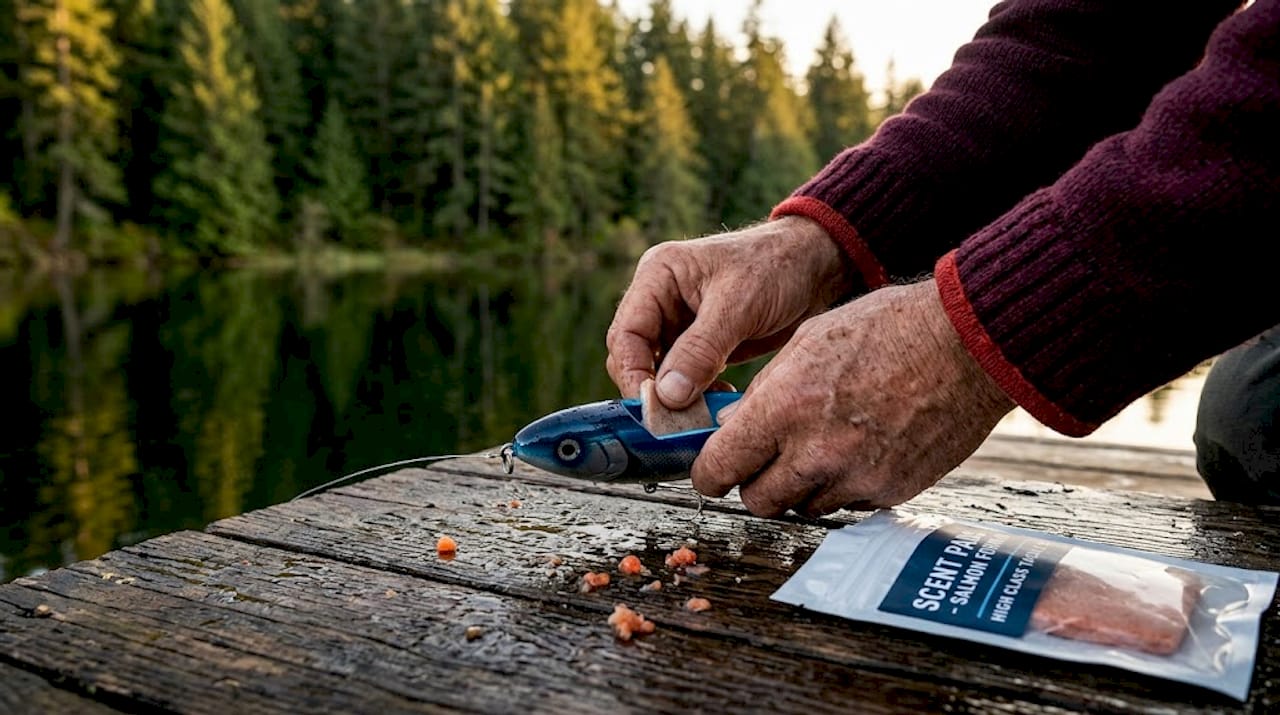
The internal bait cavity is the whole game. When the brad cut plug rolls through the water column, it forces water through and around that cavity, pushing scent molecules outward in a trail behind the lure. That trail is what salmon and steelhead home in on, especially in off-color water where visibility is low.
Here is how to run your bait and scent program:
- Fresh-cut herring belly is the top producer for Chinook. Cut strips to fit the cavity cleanly, skin side in. The oils release steadily during the troll.
- Whole anchovy pieces work well for Coho, especially in tidewater and lower river systems. Anchovies have a sharper scent profile that cuts through warmer, slower water.
- Scent-soaked foam pads are the best backup when fresh bait is not available. Soak them in shrimp oil, herring oil, or pro-cure anise blend the night before and store in sealed zip bags.
- Check out the Northwest bait and scent guide for deeper breakdowns on what works in specific river systems by season.
When water temps drop below 50 degrees, fish need a stronger scent signal. Load the cavity heavier and consider blending anise with a natural bait oil. In warmer, clearer summer water, go lighter and let the lure’s action do more of the work.
Pro Tip: Prep six to eight scent pads the night before every trip and store them in individual labeled bags. On the water, you swap a fresh pad in without stopping the boat or removing the lure from the spread. That extra few minutes of soak time between swaps adds up across a full day.
Common mistakes and how to fix them fast
Even experienced anglers make the same mistakes with brad cut plugs. Knowing how to spot and fix them quickly keeps your lures in the strike zone instead of tangled on the deck.
-
Overpacking the bait cavity. This is the number one problem. Too much material inside the cavity kills the rolling action, and the lure just drags dead through the water. Overpacked cavities cause poor lure action and will not produce strikes. Trim your pad down until the lure closes cleanly and rolls with a smooth, even spin.
-
Running cheap swivels. A low-quality swivel seizes up under load, causes line twist, and ruins the action within minutes of deployment. Spend a dollar more per swivel. It pays off every time.
-
Ignoring leader abrasion. After landing a fish or dragging bottom, inspect your leader. Any nick or rough spot in fluorocarbon weakens the line significantly. Re-tie before you redeploy. Losing a big Chinook to a nicked leader is a gut punch nobody forgets.
-
Misreading the action setting. Trolling at the wrong speed for your action setting is like using the wrong gear in your truck. Dial the lure at your target trolling speed, not dockside, because water resistance at speed changes how the lure rolls completely.
-
Not resetting after a missed strike. After a fish hits and misses, check your rig immediately. The hooks may have twisted, the pad may have shifted, or the lure body may have opened. A quick 30-second inspection before redeploying saves you from trolling a dead rig for another 20 minutes.
“The most expensive thing in salmon fishing is not the gear you buy. It’s the time you waste fishing a poorly rigged lure.” A two-minute check at the start of each pass is the best investment you can make.
Reading strikes and landing more fish
Once your rigs are dialed, the next skill is knowing what a real strike looks like on the rod tip versus normal lure roll and water pressure changes.
- Steady load-up: The rod bends and stays bent. This is usually a large Chinook that grabbed and turned. Do not set hard. Let the rod load and sweep back firmly.
- Sharp tap-tap: Common for Coho. They hit and run fast. A quick, aggressive hookset toward the bank works here.
- Rod bounce with no weight: This often means your lure rolled through debris or a weed patch. Check the rig before calling it a bite.
- Slow increase in rod pressure: Steelhead love to take the plug and just hold it. Watch for a gradual pull that builds. Set the hook with authority when the weight feels solid.
After the hookset, keep the rod up and maintain steady pressure. Never reel against a running fish. Let the drag do the work while you control the angle. If the fish goes under the boat, drop the rod tip immediately and follow the line. More fish are lost under the hull than anywhere else.
Nick’s take on mastering this lure
I’ll be straight with you. I spent two full seasons thinking I was fishing brad cut plugs correctly, and I was leaving fish in the river. What changed everything was slowing down on scent prep. I started treating bait cavity management like a serious part of my pre-trip routine, not an afterthought.
The lure’s external color matters for getting a fish to come close. The scent and action are what make it commit. I’ve watched two identical lures run side by side, one with a fresh scent pad and one with a three-hour-old pad, and the fresh one produces three to one. That is not luck. That is chemistry.
My other hard-won lesson is patience with action tuning. When fish are not responding, most anglers change colors. I change my roll width and trolling speed first. Nine times out of ten, that is the real problem. Combine the brad cut plug with a quality flasher and a spinnerbait rotation when fish are holding tight, and you will stay on the bite longer than anyone else on the water.
— Nick
Gear up with Highclasstackleco for your next session
If you are serious about running brad cut plugs for Pacific Northwest salmon and steelhead, you need your gear dialed before launch day. Highclasstackleco is built by anglers who fish these same rivers and tidewater systems. The Chrome Limer Brad’s Super Bait is one of the best producers on Coho and Chinook in the PNW and is stocked ready to fish.
Beyond the plug itself, you need organized tackle to run an efficient spread. The component tackle box keeps your swivels, pads, rubber bands, and spare hooks within arm’s reach when it counts. Looking to grab gear for a buddy or set up for the season? A digital gift card is the easiest way to shop the full lineup at Highclasstackleco. Get the right gear and get on the water.
FAQ
What is a brad cut plug?
A brad cut plug is a split-cavity trolling lure designed to hold real bait and scent pads inside its hollow body. It rotates through the water to release scent slowly and mimic a wounded baitfish, making it highly effective for targeting Coho, Chinook, and steelhead.
What size hooks come on Brad’s Super Bait Cut Plugs?
Brad’s Super Bait Cut Plugs include two #2 treble hooks attached with swivels to prevent line twist. The dual-hook setup improves hookup rates on hard-striking Pacific Northwest salmon.
How do I fix poor rolling action on my brad cut plug?
Poor action is almost always caused by an overpacked or improperly secured bait cavity. Remove some material from the cavity, re-secure the scent pad with a rubber band, and test the lure roll at trolling speed before full deployment.
How often should I swap scent pads during a trolling session?
Swap scent pads every 45 to 60 minutes during active trolling, or immediately after landing a fish. Pre-cutting and soaking pads before the trip makes swaps fast enough to do without stopping the boat.
Can brad cut plugs be used for more than trolling?
Yes. Unrigged versions of cut plugs work well for casting, plunking, and back-bouncing when you customize leader length, hook size, and action settings to match your technique and water type.
Recommended
- Salmon plug fishing rivers: Proven PNW tactics and gear – High Class Tackle Co.®
- Spinnerbait guide: boost your Pacific Northwest fishing – High Class Tackle Co.®
- 360 Flasher Guide for PNW Salmon and Steelhead – High Class Tackle Co.®
- Custom Spinner Blades for Salmon and Steelhead Success – High Class Tackle Co.®
0 comments