

Learn the Double Uni knot first. It’s the easiest braid to mono connection to tie under pressure, and it holds strong for backing, leaders, and everything in between. When you need a slimmer profile that shoots through guides on long casts, upgrade to the FG knot. Whatever you tie, wet it before you cinch it down, then test it hard before it ever touches water.
TL;DR:
- The Double Uni knot is reliable for most fishing situations, especially for backing and leaders that do not pass through guides during fights.
- The FG knot provides the slimmest, strongest braid to mono connection, but it requires steady tension and practice to tie correctly.
- The Royal Polaris knot is a faster, thinner option for quick rigging, while the Albright is ideal for bridging large diameter gaps or tied with doubled lines.
- Proper tension, adequate wrap numbers, and thorough testing are critical to ensure knots hold under pressure and avoid slippage.
- Consistent practice and matching the knot choice to the specific line diameters, lengths, and fishing conditions give the best chance of success.
Table of Contents
- Best Braid To Mono Knots (Quick Shortlist)
- How To Tie The Double Uni Knot Step By Step
- How To Tie The FG Knot For A Slim, Strong Connection
- Royal Polaris And Albright: Fast And Special-Case Knots
- Choosing And Troubleshooting Your Braid To Mono Setup
- Why Rigging Experience Actually Matters Here
- The Knot That Matters Most Is The One You Trust
- Sources
Best Braid To Mono Knots (Quick Shortlist)
You don’t need ten knots in your arsenal. You need three or four that you can tie fast, tie right, and trust when a king salmon puts your drag into a screaming fit. Here’s the lineup, ranked by what most anglers should actually reach for.
- Double Uni — The best all-around choice and the easiest to learn. Use it for backing connections or leaders that rarely pass through your rod guides during a fight.
- FG Knot — The best braid to mono connection when you’re running long leaders or casting through guides all day. Tied correctly, it’s slim enough to barely notice and strong enough to trust on big fish. Cast & Spear recommends learning Double Uni first, then FG as your upgrade, and that order is exactly right for most anglers.
- Royal Polaris (John Collins) — A fast field knot that’s thinner than a Double Uni without the tension demands of an FG. Good when you need speed and a slimmer body.
- Albright / Alberto — Best when you’re bridging a big diameter gap, like heavy braid to a thick leader, or when you’re running a doubled line setup.
How To Tie The Double Uni Knot Step By Step
This is the knot to master this weekend. It’s forgiving, it’s fast once you’ve done it a dozen times, and it flats out works for most salmon and steelhead rigging.
Start with at least 6 inches of overlap between your braid and mono. Lay the two lines parallel, running in opposite directions, so each tag end has room to wrap back over both strands.
- Form a loop with the braid tag end over both lines and wrap it around 7 to 10 times, working back toward the standing lines.
- Pull the wraps snug but don’t seat them fully yet.
- Repeat the process with the mono tag end, wrapping it 5 to 7 times around both lines.
- Moisten both knots with water or saliva.
- Pull each knot closed individually, then pull the two knots together so they slide and lock against each other.
- Trim the tags and give the connection a hard tug test.
The wrap counts matter more than people think. Braid needs more wraps than mono because it’s slicker and rounder. Cast & Spear’s guide confirms 7 to 10 wraps on braid and 5 to 7 on mono as the standard that holds up in the field.
Pro Tip: If your knot slips under tension, don’t just retie the same way. Add two more braid wraps or double your braid line before tying again. That extra bite usually fixes it on the next attempt.
If your wraps look uneven or crossed over each other, cut the knot and start fresh. A lopsided Double Uni won’t seat evenly, and that’s when you get slippage right when you can’t afford it.
How To Tie The FG Knot For A Slim, Strong Connection
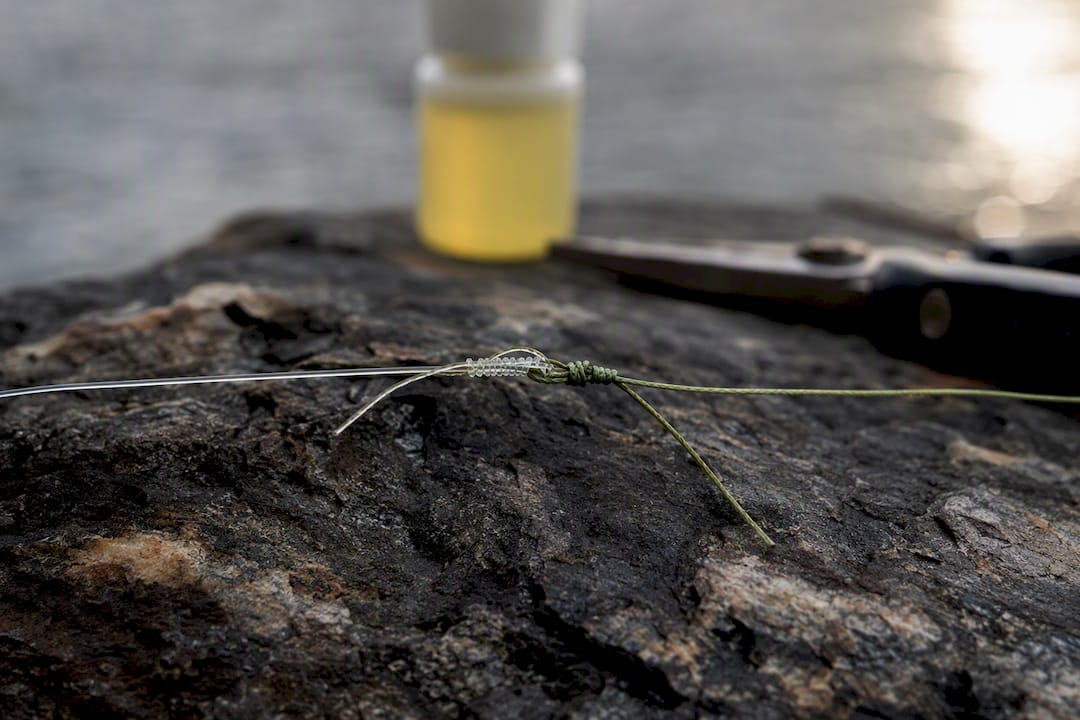
The FG knot works because the braid actually bites into the mono leader under tension, creating a connection with almost no bulk. That’s why it’s the top pick for long leader setups and any rig where the knot has to pass through guides during a fight. SurfFishingSoCalSD calls it the thinnest, lowest-profile braid to mono connection you can tie, and once you’ve tied a clean one, you’ll feel why it glides through guides without a hitch.
The catch is tension. You need constant, steady pressure on the mono leader the entire time you’re wrapping braid around it. Most anglers pin the leader with a pinky finger, hold it in their teeth, or clip it to something rigid. Salt Strong’s breakdown of FG technique confirms tension is the single biggest factor in a knot that holds.
- Pin the mono leader under tension using your preferred method.
- Wrap the braid over and under the leader 20 or more times, alternating direction with each pass.
- Slide the wraps tight against each other, keeping them uniform and side by side.
- Finish with 4 to 8 alternating half hitches using the braid tag, pulling each one tight individually before moving to the next.
- Bury or trim the tag ends close to the knot.
Test it by pulling hard in short bursts. Loose coils or crossed wraps are the two biggest failure signs, and both usually trace back to tension that slipped somewhere in the middle of your wraps.
Pro Tip: A rushed FG knot is worse than a clean Double Uni every time. Cast & Spear puts it plainly: practice this one at home before you trust it on the water.
Royal Polaris And Albright: Fast And Special-Case Knots
Not every situation calls for a Double Uni or an FG. Sometimes you need speed, and sometimes you need a knot built for a mismatch in line diameter.
- Royal Polaris (John Collins) ties faster than a Double Uni and leaves a slimmer profile, making it a solid choice when you’re rigging quickly between drifts.
- Albright / Alberto shines when the diameter gap between your braid and leader is significant, or when you’re tying off a doubled line. Saltwater Sportsman notes the Albright’s strength in wide diameter gaps, which makes it a go-to for heavier leader setups.
- Use 10 to 12 wraps for Royal Polaris and inspect for tight, even coils before trimming tags on either knot.
Choosing And Troubleshooting Your Braid To Mono Setup
Start with three questions: How different are your line diameters? How long is your leader? Does the knot need to pass through guides mid-fight? Answer those and the right knot becomes obvious fast.
For most anglers rigging steelhead leaders or backing connections, the decision flow runs Double Uni first, Royal Polaris if you need speed, and FG when you’re stepping up to long leaders or big diameter jumps.
- Wet every knot before you seat it, no exceptions.
- If it slips, add more braid wraps before you try anything else.
- When braid is much thinner than your leader, double the braid strand before tying.
- Seat each side of the knot individually before pulling them together.
- Pull test at 50 to 100% of your expected load before it goes near the water.
Strength differences between knots are real but often overstated in casual conversation. Knots, a gap that matters on big fish but rarely costs you a fish if your Double Uni is tied clean.
Why Rigging Experience Actually Matters Here
Nick has spent years tying and re-tying rigs for salmon, steelhead, and saltwater trips where a bad knot means a lost fish and a bad story. That kind of repetition is where these recommendations come from. High Class Tackle Co. builds its terminal tackle and components around real rigging demands, not guesswork, and our saltwater bottom rig guide shows how these knots hold up in actual fishing setups. Practice these knots at your kitchen table before you need them on the water.
The Knot That Matters Most Is The One You Trust
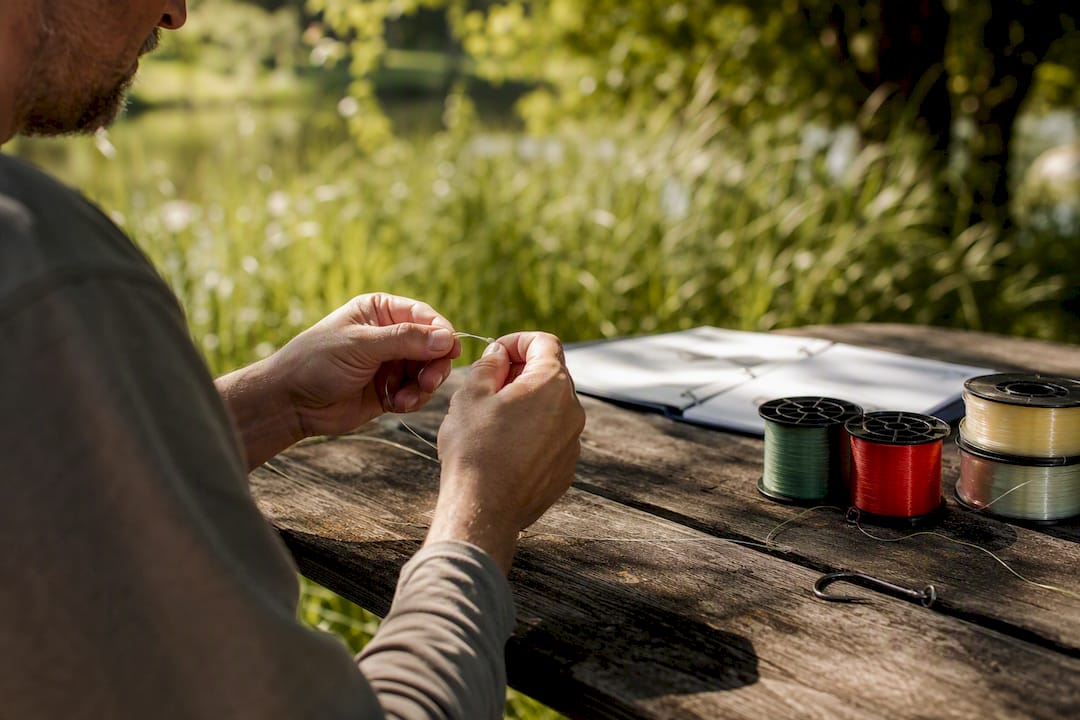
Most anglers overthink this. They chase the “strongest” knot on paper instead of the one they can tie consistently at 5 a.m. with cold hands and a fish already on. The Double Uni wins that contest every time, and The Fisherman’s coverage of IGFA-style testing backs that up: simple knots tied well routinely outperform complicated knots tied poorly.
The FG knot deserves its reputation, but only once you’ve tied it enough times that tension becomes automatic. Rushing it in the field is where anglers lose fish, not because the knot is weak, but because a sloppy FG is genuinely weaker than a clean Double Uni. If you take one thing from this guide, make it this: tie fewer knots, but tie them until your hands don’t think about it anymore. That’s the real edge, not knowing five knots halfway.
— Nick
Ready to rig with confidence? Browse High Class Tackle Co.'s terminal tackle lineup for the hooks, swivels, and components built to pair with a knot you actually trust.
Sources
- Knots
- Cast & Spear — how to tie braid to mono or fluoro
- How to tie the FG knot — SurfFishingSoCalSD
- Saltwater Sportsman — tying mono leader to braid
0 comments