

Run a dodger with a compact wedding-ring spinner or hoochie in pink or orange, keep the leader short since these lures carry no action of their own, tip the hook with a single kernel of shoepeg corn, and troll at a moderate slow speed appropriate for kokanee. If it’s not working after 15 minutes, switch to chartreuse or UV first, then adjust leader length before you touch anything else.
TL;DR:
- Use short leaders for no-action lures like hoochies and wedding rings to effectively transfer the dodger’s flash and vibration.
- Carry only six to ten patterns tailored to water clarity and color, focusing on pink, orange, purple, or chartreuse for most conditions.
- Troll at speeds between 0.9 and 1.5 mph, adjusting based on water temperature and fish activity, while targeting depths using the rule of 100.
- Rig with a soft rod, a smooth reel, and lower-resistance drag to accommodate kokanee’s small, delicate mouths and lightly take-hook.
- Regularly inspect and maintain lures, replacing bent rings and sharpening hooks to ensure optimal tracking, spin, and action during fishing.
Table of Contents
- What Kokanee Lure Types Should You Carry?
- What Tackle Do You Need to Rig Kokanee Lures Correctly?
- Which Colors and Scents Work Best for Kokanee?
- How Do You Make and Tune Your Own Kokanee Lures?
- What’s the Right Trolling Speed and Depth for Kokanee?
- Field Diagnostics: Reading What Your Lure Is Actually Doing
- Do Kokanee Lure Choices Change by Season?
- Beyond Leader Length: Controlling Your Lure’s Depth
- How Do Water Clarity and Temperature Change Your Lure Choice?
- What Mistakes Ruin a Kokanee Rig Before It Even Hits the Water?
- How Do You Maintain Kokanee Lures So They Last?
- A Working Angler’s Take on Building a Kokanee Box
- Get Your Kokanee Rig Dialed In With the Right Components
- Sources
What Kokanee Lure Types Should You Carry?
Kokanee lures split into two families, and knowing which one you’re tying on changes everything about how you rig it.
No-action lures include hoochies, wedding-ring spinners, and small bait-style spinners. These bodies don’t wobble or dart on their own. They rely entirely on the dodger in front of them to create the flash and vibration that draws a strike. Because they have no built-in movement, they need a short leader so the dodger’s kick transfers straight through to the lure.
Action lures are a different animal. Spoons, kokanee killers, and cut-plug style bodies wobble, roll, and dart under their own design. Pair one with a dodger and you risk canceling out both actions, so these get a longer leash to let them do their own thing.
Size matters more than most anglers assume. Kokanee feed on plankton and tiny bait, so a small lure silhouette between 2 and 5 centimeters consistently outperforms bulkier gear, even in stained water where you’d think bigger equals more visible.
Water clarity and fish mood dictate which family to reach for:
- Clear, calm water with cautious fish: smaller no-action hoochies and subtle wedding rings
- Stained or choppy water: brighter action lures like spoons that push more vibration
- Aggressive, actively feeding schools: kokanee killers or cut plugs that trigger reaction strikes
- Deep, low-light columns: UV or glow-finished versions of either family
A tight, functional box doesn’t need fifty options. Six to ten patterns that cover clear water, slightly stained water, and heavily stained conditions will handle nearly every day you’re on the lake. Wedding ring spinners and hoochies remain the two most commonly recommended starting points for exactly this reason. Build from there instead of chasing every new shape that shows up online.
What Tackle Do You Need to Rig Kokanee Lures Correctly?
Kokanee have small, soft mouths, and that single fact drives almost every tackle decision in this sport.
A soft or slow-action rod in the 7 to 9 foot range is the standard for a reason. Kokanee often hit lightly, and a stiff rod tip pulls the hook free before the fish ever commits. A rod that loads gradually gives the fish a chance to eat the lure fully before the hook set happens on the swing back.
Your reel and drag matter almost as much as the rod. A smooth, low-resistance drag prevents micro-tears in that soft mouth tissue during the fight. Since kokanee often run 40 to 80 feet down or more, make sure your reel holds enough line capacity to fish deep without spooling out.
Line choice depends on how you’re getting lures down. Downrigger setups typically run straight mono or fluorocarbon leader material off the release clip. Weighted or leaded-line setups benefit from a thinner diameter mono mainline to cut resistance in the water column.
Rigging in order:
- Attach your dodger to the mainline using a small, high-quality connecting ring rather than a knot tied directly to the blade. Rings track truer at trolling speed and don’t twist the mainline over a day of fishing.
- Measure and tie your leader based on lure type, not habit.
- For non-action lures like hoochies and wedding rings, run a leader 1 to 1.5 times the dodger’s length. A 6-inch dodger gets roughly a 6 to 9 inch leader.
- For action lures like spoons and kokanee killers, stretch that to 2 to 3 times the dodger length, giving the lure room to move independently.
- Add an inline snubber ahead of a gang troll or dodger setup to soften the shock of a strike, which is exactly what keeps those soft mouths from tearing free. The 4 to 6 inch snubber setup with a 6-inch dodger and 15-inch leader is a proven West Coast starting combination.
Pro Tip: Carry a small tape measure in your tackle box. Guessing leader length by eye is the single most common rigging error, and it’s the easiest one to fix in ten seconds.
If you want the exact math behind dodger-to-leader ratios across different blade sizes, the dodger spacing breakdown walks through several real combinations.
Which Colors and Scents Work Best for Kokanee?
Four colors cover most conditions you’ll ever fish: pink, orange, purple, and green or chartreuse.
Pink and orange are the workhorses. They produce in clear water, stained water, sunny days, and cloudy ones, which is why they’re the most consistently recommended starting colors across kokanee fisheries. Purple tends to shine in low light or slightly deeper presentations. Chartreuse and green step in when the water carries more color or algae than usual.
UV and glow finishes aren’t gimmicks, but they’re situational. Reach for them once you’re fishing deeper than 40 feet or during flat, overcast light where natural color simply disappears from a fish’s field of view. Pair a UV finish with a flash-style blade for maximum visibility, and save the subtler natural tones for shallow, sunny, clear-water days.
Tipping the hook seals the deal on a lot of fence-sitting fish:
- A single kernel of shoepeg corn, soaked in scent brine, is the classic and still the most reliable option
- Maggots work well in colder water when fish are less aggressive
- Mealworms add bulk and scent trail for stained or deep water presentations
Kokanee anglers following practical field guidance report success trolling 0.9 to 1.5 mph with scent-tipped lures, a range wide enough to cover most conditions without overcomplicating your speed control.
Run a simple decision tree when the bite goes quiet: if nothing’s happened in 15 to 20 minutes, change color first. Still nothing after another stretch? Next, adjust leader length or swap lure action. Scent tips and proper bait treatment close the gap on fish that are following but not committing.
How Do You Make and Tune Your Own Kokanee Lures?
Building your own kokanee lures isn’t complicated, and it puts you in control of exactly the sizes and colors your local water demands.
Core components you’ll need:
- Blades (smile-style for a wider wobble, flash-lite for tighter, quicker vibration)
- Beads for spacing and added flash
- Clevises sized to match your blade
- Lure bodies (hoochie skirts, spinner bodies, or blank cut-plug shapes)
- Split rings sized small but rated strong
- Hooks matched to lure size, typically size 4 to 8 for kokanee
Assembly order that works:
- Thread the clevis onto your leader material first, then slide on the blade.
- Add spacer beads above and below the blade to control how freely it spins.
- Attach the lure body or hoochie skirt to the hook shank.
- Tie the hook to the leader using a snug knot that won’t slip under pressure.
- Connect the finished leader to your dodger using a small ring, not a direct knot.
Once it’s built, run three quick checks before it ever hits real depth. Spin test: hold the blade under running water or spin it by hand to confirm it rotates freely without wobbling off-axis. Tracking test: run the lure beside the boat at trolling speed and watch for any side-pull or roll that shouldn’t be there. Hook alignment: make sure the hook rides straight behind the body, not twisted to one side.
Pro Tip: If a lure tracks crooked, check the split ring first. A bent or oversized ring is the most common cause of a lure that won’t run straight, and it’s a thirty-second fix.
Quick fixes when something’s off: swap a bent ring for a fresh one, size down your clevis if the blade spins too wildly, move your leader attachment point half an inch, or change blade style entirely if the action still feels wrong after everything else checks out.
What’s the Right Trolling Speed and Depth for Kokanee?
The rule of 100 is the fastest way to find fish without guessing: add your target depth to your setback distance, and aim for a combined total near 100. A shallow setup might run 30 feet down with 70 feet of setback. A mid-depth setup could run 50 feet down with 50 feet of setback. A deep setup might push 70 feet down with just 30 feet of setback. All three total roughly 100 and give you a reliable starting framework rather than a blind guess.
Speed matters as much as depth. Trolling speeds between 0.9 and 1.5 mph cover the range most kokanee anglers rely on, with 1.2 to 1.3 mph as a solid default. Speed up slightly on bright days when fish are more active, and slow down on cold or overcast days when they’re sluggish.
Downriggers give you the most precise depth control, letting you dial in exact feet with a clicker readout. Weighted lines get you close but leave more guesswork, especially as current and speed shift your true depth. Either way, the distance from your downrigger ball to the lure affects how the fish perceives your presentation, so don’t set every rod at the identical distance.
A few tactics multiply your odds once you’re marking fish:
- Stagger rod depths across your spread instead of running every line at the same level
- Troll in a gentle S-curve, which changes lure speed and action on each turn and often triggers strikes from fish that were just watching
- Mark productive water with a GPS waypoint the moment you get bit, then swing back through that same track
Fine-tune your downrigger release tension using a proper release setup so it trips cleanly on a strike without letting line slip prematurely.
Field Diagnostics: Reading What Your Lure Is Actually Doing
Poor tracking and poor blade spin look similar on the surface, but they need different fixes. A lure that pulls to one side while the blade spins fine usually means a bent ring or crooked hook. A lure that tracks straight but produces no strikes often means the blade itself has stopped spinning freely, usually from a fouled clevis or debris buildup.
Test both by watching the lure boatside before it goes back down. Ring connections consistently outtrack knots tied straight to the dodger, and double-hook rigs help convert kokanee’s notorious short strikes into solid hookups on their soft mouths.
A 6-inch dodger paired with a 15-inch leader and a 4 to 6 inch snubber is a dependable starting rig. Small, quality rings preserve lure action far better than oversized hardware ever will.
Do Kokanee Lure Choices Change by Season?
Kokanee behavior shifts hard across the calendar, and your lure box should shift with it.
Spring fish sit shallower as water temperatures climb slowly, often within 20 to 40 feet. Smaller, natural-toned no-action lures like hoochies work well since fish are still somewhat cautious after winter.
Summer brings the thermocline into play. As surface water warms, kokanee push deeper to stay in their comfortable temperature band, often 40 to 80 feet down or more. This is when UV and glow finishes earn their spot in your box, along with brighter pink and orange combinations that stand out in dimmer light.
Fall spawning behavior changes feeding patterns entirely. Fish often become more aggressive right before staging near tributaries, which is a good window to try action lures like spoons and kokanee killers that trigger reaction strikes rather than relying purely on scent and subtlety.
Winter fishing, where available, usually means slower presentations and smaller profiles again, since metabolism drops with water temperature and aggressive retrieves rarely pay off.
The practical takeaway: don’t fish August lures in April. Track water temperature and depth readings each trip, and let those numbers guide your color and size choices instead of defaulting to whatever worked last time out.
Beyond Leader Length: Controlling Your Lure’s Depth
Leader length adjusts action, not depth, and that’s a distinction a lot of anglers miss. Real depth control comes from three other tools working together.
Downriggers remain the most precise method available. A digital counter tells you exactly how many feet of cable are out, letting you replicate a productive depth instantly once you find fish.
Diver or weighted-line systems get you deep without electronics, but they introduce more variables. Current speed, trolling speed, and line diameter all affect how deep a given weight actually runs, so treat the number on the package as an estimate rather than a guarantee.
Lead-core line color-changes every ten feet, giving you a rough visual depth reference without any hardware at all. It’s a budget-friendly option, though it lacks the precision of a downrigger readout.
Sonar closes the loop on all three methods. Watching your unit for the actual depth kokanee are holding at, then matching your gear to that number, beats guessing based on last week’s success every time. Combine that with the rule of 100 as your starting framework, and depth stops being the mystery it feels like to newer kokanee anglers.
How Do Water Clarity and Temperature Change Your Lure Choice?
Water clarity changes how far a fish can see your presentation before deciding whether to commit, and that single variable should drive your color and blade selection more than personal preference does.
In clear water, natural, subtler tones and smaller blade flash tend to outperform loud, bright setups. Fish can see your gear from further away, which means a lure that looks unnatural up close gets more scrutiny before the strike. In stained or murky water, the opposite applies. Brighter colors and higher-vibration blades, like flash-lite styles over subtler smile blades, help fish locate your presentation at all.
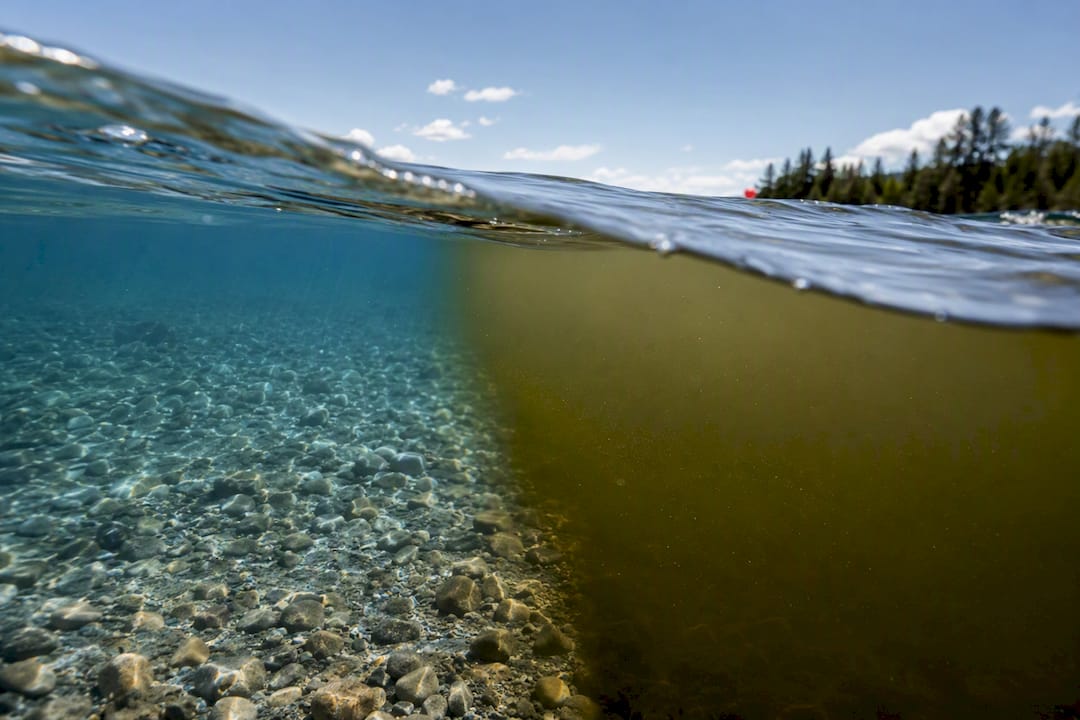
Temperature drives depth more than it drives color, but the two connect. As surface temperatures climb through late spring and summer, the thermocline pushes kokanee into a narrower comfort band, and that band is often colder and dimmer than the surface layer. Dimmer light at depth is exactly when UV and glow finishes start earning their keep, regardless of season on the calendar.
Carrying both blade styles, smile and flash-lite, gives you the flexibility to match vibration level to water clarity on the fly. A lake that’s gin-clear in the morning and gets choppy with boat traffic by noon might call for a blade swap halfway through your trip, not a full lure change.
What Mistakes Ruin a Kokanee Rig Before It Even Hits the Water?
Most lost fish and dead trips trace back to a handful of repeatable rigging errors, not bad luck.
Leader length copied from a buddy’s setup rather than measured for your own dodger. A leader that’s the wrong ratio for your specific blade size kills action before the lure ever gets wet.
Knots tied directly to the dodger instead of using a connecting ring. Knots twist and weaken over a day of trolling, while rings track cleanly and hold up to repeated strikes.
Skipping the boatside tracking test. Anglers drop a freshly rigged lure straight to depth without ever confirming it swims straight, then wonder why an hour goes by without a bite.
Oversized or mismatched split rings. Heavy hardware dampens the exact subtle action that triggers a soft-mouthed kokanee strike.
Ignoring the snubber. Skipping shock absorption on a dodger rig leads to more torn hooks and lost fish during the fight, especially on lighter drag settings.
Sticking with one color for hours out of stubbornness. If nothing’s happened in 15 to 20 minutes, that’s your signal to adjust, not a reason to wait longer.
Fix these five and your hookup ratio improves before you even touch a new lure pattern.
How Do You Maintain Kokanee Lures So They Last?
A lure that tracked perfectly last season can fail silently if it’s been sitting corroded in a tackle box all winter.
Rinse everything in fresh water after every saltwater or brackish trip, and give freshwater gear a rinse too if it’s been exposed to sunscreen, bug spray, or bait residue. Salt and organic residue accelerate corrosion on blades, rings, and hooks faster than most anglers expect.
Dry lures completely before storage. Damp compartments breed rust on hooks and split rings within days, and a rusted hook point loses its sharpness and its holding power on a strike.
Check hook points before every trip, not just when you remember to. Run a fingernail across the point. If it slides instead of catching, it’s time to touch it up with a small file or swap the hook entirely.
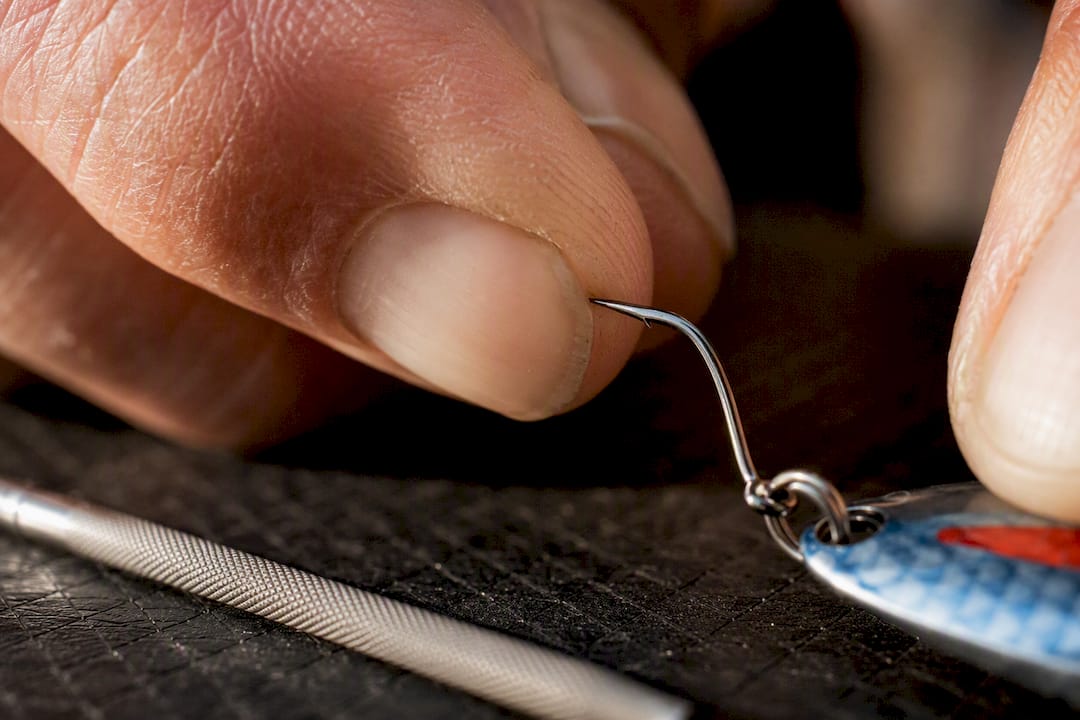
Inspect split rings and connecting rings for deformation. A ring that’s been crushed or stretched from a hard strike won’t track the same way it did fresh out of the package, even if it still looks fine.
Store blades separately from soft plastics when possible. Some plastic formulations react with certain metal finishes over long storage periods, dulling blade coatings faster than normal wear would.
Treat your lure box maintenance like you treat your rod and reel. A five-minute rinse-and-check routine after each trip adds real seasons of life to gear you’d otherwise be replacing every year.
A Working Angler’s Take on Building a Kokanee Box
A tight box of six to ten proven patterns, tuned for your local water, will out-fish an overloaded tackle box every single trip. Skip the gimmicks. Learn your ratios, carry both blade styles, and adjust before you second-guess the whole system.
— Nick
Get Your Kokanee Rig Dialed In With the Right Components
Building a rig that tracks true and holds up to a full day of strikes starts with the parts you use, not just the lure pattern you pick. High Class Tackle Co. carries the hooks, split rings, and connecting components that keep your leader-to-dodger connections clean and your lure action honest, plus beads for spacing and flash control.
Consistent finishes and quality hardware mean less time re-tuning a wobbly lure boatside and more time with it in the water where fish actually are. If you’d rather skip the assembly bench entirely, browse prebuilt lure bodies and superbaits ready to tie straight onto your leader. Start with the full catalog at High Class Tackle Co. and stock your box before your next trip out.
Sources
- F&G staff gives kokanee fishing tips to help you better understand (and catch) these unique fish | Idaho Fish and Game
- Best Trolling Setup for Kokanee | KokaneeKrew
- Refined kokanee fishing lures that turn strikes into landed fish | Fishing Magazine
0 comments