

For river salmon in the Pacific Northwest, four lure categories consistently produce: in-line spinners, spoons, jigs, and wide-wobbling diving plugs. The single rule that separates productive casts from wasted ones is depth. Guides report that the most common mistake is fishing too high in the water column. Get your lure 2–3 feet in front of holding fish and keep it near the bottom. Everything else is adjustment.
Start here on your first three casts:
- Cast quartered upstream, let the lure sink to the bottom, then retrieve with a slow, steady pull
- Use a 3/4 oz. in-line spinner or 1 oz. spoon in silver/chrome for clear water, or orange/pink for stained conditions
- If no strike after 10 casts, drop one size, slow the retrieve, and tick the bottom
Pro Tip: If you can’t feel the lure occasionally bumping the riverbed, you’re fishing above the fish. Drop weight or extend your sink count.
Key Takeaways
Depth control and lure presentation 2–3 feet in front of holding fish are the two factors that separate productive river salmon anglers from those who go home empty-handed.
| Point | Details |
|---|---|
| Depth is everything | Keep lures near the bottom; occasional bottom ticks confirm you’re in the strike zone. |
| Match lure to conditions | Fresh-run fish hit large, flashy lures; pressured or holding fish need smaller, subtler presentations. |
| Terminal tackle matters | Use braid mainline, fluorocarbon leader, and snap-swivels to reduce twist and improve lure action. |
| Size by species | Chinook want 1–1.5 oz. spoons and 1–1.5 oz. spinners; Coho and Pinks respond to 1/2–3/4 oz. lures. |
| Highclasstackleco | Stocks terminal tackle, custom blade packs, and Pro-Cure additives for PNW salmon river rigs. |
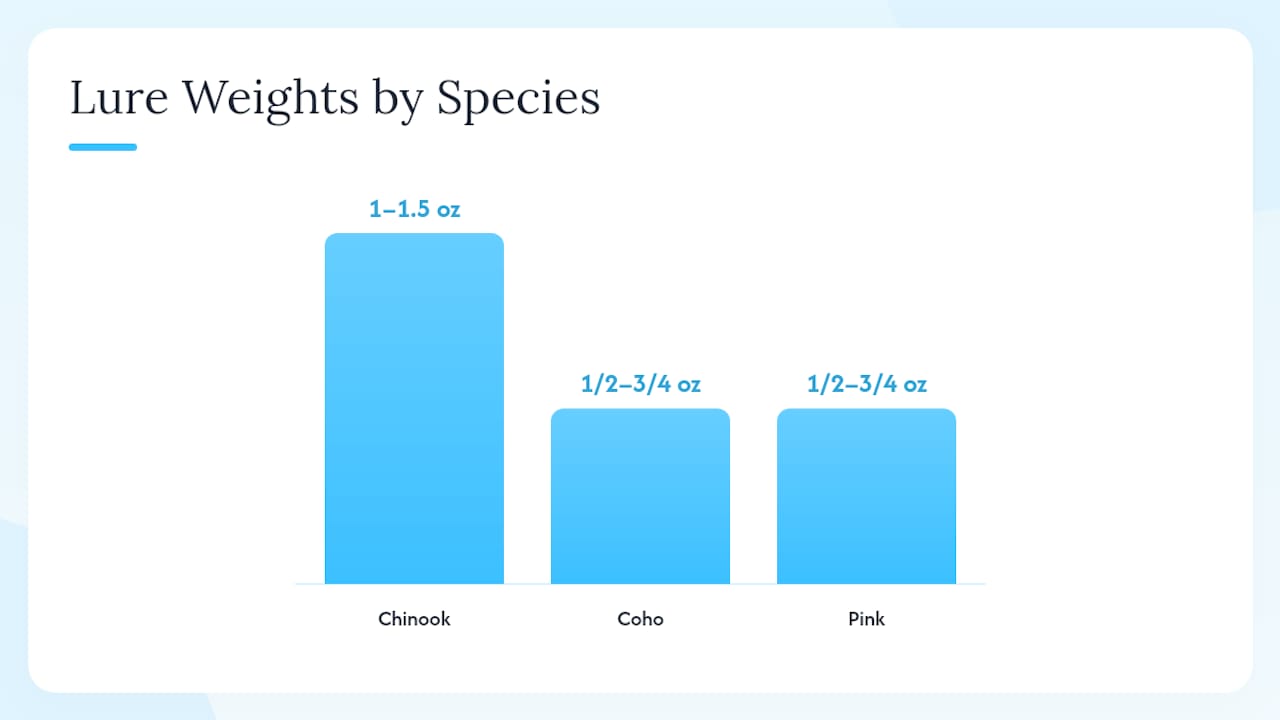
Table of Contents
- Which salmon spinning lures should you carry and why?
- How do you fish spinning lures for river salmon effectively?
- How do you match lure style and color to river conditions?
- What terminal tackle, line, and knots do you need?
- Where and when do you fish each lure type on PNW rivers?
- What should you pack for a PNW salmon river trip?
- Legal and ethical reminders for PNW salmon fishing
- What the bank and the boat teach you differently
- Stock your on-river kit from Highclasstackleco
- Sources
Which salmon spinning lures should you carry and why?
Top river lures include spinners, spoons, jigs, drift rigs, and wide-wobbling plugs. Each triggers strikes differently, and knowing why helps you pick the right one fast.
In-line spinners generate flash and vibration simultaneously. A wide Colorado-style blade creates more water resistance and runs shallower at slow retrieves, while a narrower French-style blade cuts deeper at the same speed. For salmon, wider blades in 3/4 oz. to 1 oz. sizes are the go-to. They cover water fast and provoke reaction bites from aggressive fish. Check out custom spinner blades for blade-shape and finish options built specifically for PNW conditions.
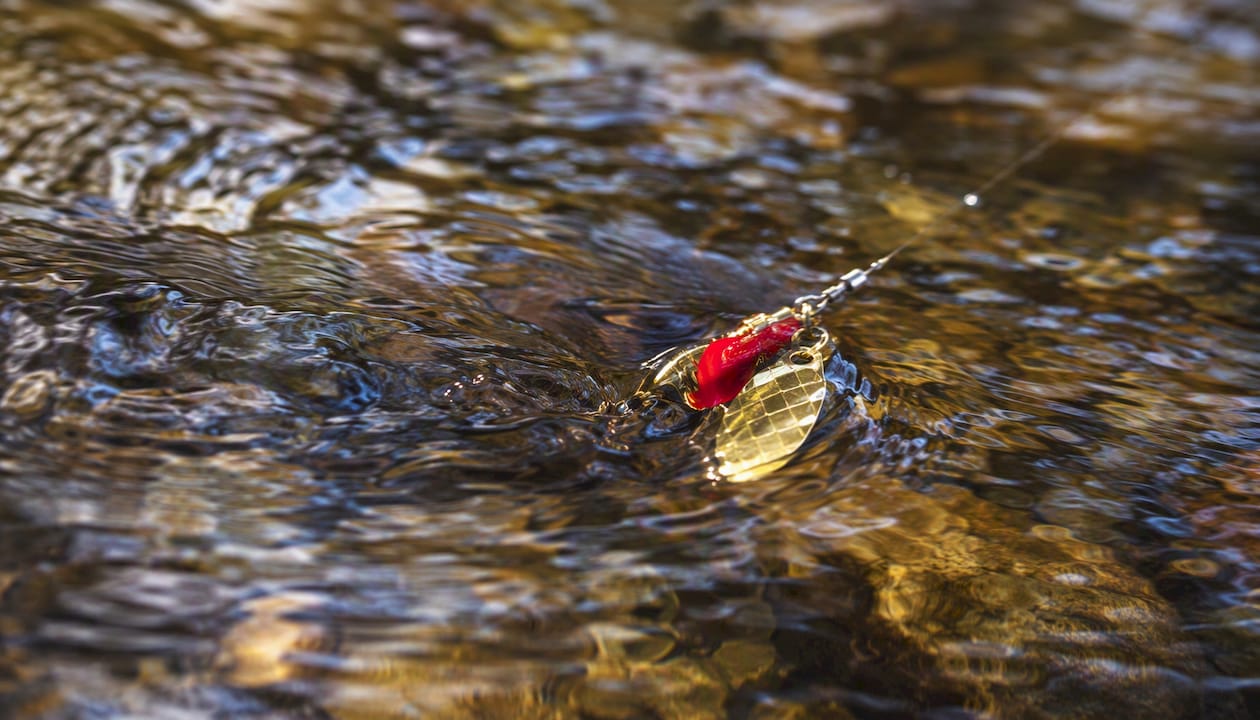
Spoons wobble and flash like a wounded baitfish. Their body weight drives sink rate, so a heavier spoon reaches deeper water faster in swift current. Spinners cover water aggressively; spoons shine when fish are less active or suspended, offering a slower, more seductive wobble that pressured fish often prefer.
Jigs and soft jigs work differently. A short, aggressive twitch followed by a dead pause is the trigger. Salmon often hit on the fall, so watch your line for any twitch or jump during the pause.
Wide-wobbling diving plugs (Kwikfish-style) are the anchored-boat and deep-hole weapon. Their exaggerated side-to-side action at slow speeds makes them deadly when you’re holding position over a deep run. Plug fishing on PNW rivers has its own set of tactics worth knowing before you rig one up.
Drift rigs and winged bobbers with eggs or beads are the hybrid option. They’re not pure spinning tackle, but they pair naturally with spinning gear and shine in slower, deeper pools where a natural presentation beats flash. Beads rigged above a hook are among the cleanest egg imitations you can run.
Pro Tip: For deeper, faster water, go heavier on blade thickness and lure weight. A thin-bladed spinner in heavy current will spin erratically and ride too high. A thicker, heavier blade holds its angle and stays in the zone.
How do you fish spinning lures for river salmon effectively?
Guides emphasize letting sinking lures reach bottom before retrieving and using rip-rip retrieves to trigger strikes. Here’s the step-by-step:
- Cast quartered upstream at roughly a 45-degree angle. This gives the lure time to sink as it swings across the current before it reaches the strike zone.
- Count down your sink. Count 3–5 seconds for moderate depth, longer for deep holes. Adjust until you feel occasional bottom contact.
- Choose your retrieve pattern. Slow and steady works for spinners in moderate current. Stop-and-go works for spoons. Rip-rip with short pauses is the trigger for jigs and aggressive fish.
- Keep the rod tip low. A low tip gives you more direct contact with the lure and makes bottom ticks easier to feel.
- Tick the bottom. If the lure doesn’t occasionally contact the riverbed, it’s passing over the fish. Salmon hold low in the water column.
- Detect the strike. In current, a salmon hit can feel like a sudden weight, a sharp tap, or the line going slack. Don’t wait. Sweep the rod hard to the side and drive the hook.
Pro Tip: After a hard rip, let the lure pause for one full second. That dead moment is when most reaction strikes happen. Salmon that ignored the moving lure will smash it the instant it stops.
How do you match lure style and color to river conditions?
Salmon behavior shifts with river residency: fresh-run fish hit larger, flashier lures hard, while fish that have been holding in clear, shallow pools often need smaller, subtler presentations. Read the conditions before you tie on.
Condition-to-lure quick guide:
- Dirty/stained water: Go bright. Orange, red, pink, or chartreuse. Add a rattle or choose a high-vibration blade. Larger, noisier lures in low light or off-colored water increase detectability.
- Clear water: Silver/chrome finishes, natural baitfish colors, smaller profiles. Drop one lure size from your default.
- Low light (dawn/dusk): Glow patterns, bright orange, or UV-reactive finishes. Fish are more aggressive at these windows.
- Fast current: Heavier spoons and thick-bladed spinners. They hold depth and don’t get pushed sideways.
- Slow pools: Lighter spoons with more wobble, soft jigs, or drift rigs. Let the current do the work.
- Deep holes: Heavy spoons, diving plugs, or weighted jigs. Count down longer and stay near the bottom.
Size by species: Chinook want larger presentations, typically 1–1.5 oz. spoons and 1–1.5 oz. spinners. Coho and Pinks respond better to smaller, faster-moving lures in the 1/2–3/4 oz. range. Match lure size to species and river size for consistent results.
Troubleshooting: No bites after 15 casts? Change one variable at a time: first color, then size, then retrieve speed. If you’ve cycled through all three, move 20 feet upstream or downstream before changing lure type.
What terminal tackle, line, and knots do you need?
Line and terminal choices directly affect how well your lure reaches depth and how cleanly it runs. Here’s what works:
- Mainline: 20–30 lb. braid for casting distance and sensitivity. You’ll feel every tick and tap.
- Leader: 12–18 inches of 15–20 lb. fluorocarbon. It sinks, resists abrasion around rocks, and stays nearly invisible in clear water.
- Mono option: Use 15–17 lb. monofilament when you need stretch to cushion hooksets in float or bottom-bounce rigs.
- Snap-swivels: Use quality snap-swivels to prevent blade-induced line twist and allow fast lure changes. A barrel swivel alone won’t stop twist from a spinning blade.
- Loop knot: Tie a non-slip loop knot (Rapala knot) directly to spoons and plugs. It lets the lure swing freely and improves action noticeably over a clinch knot.
- Improved clinch: Use it for snaps, swivels, and any connection where free movement isn’t needed.
- Hook upgrades: Replace factory trebles with sharper, lighter-wire hooks. Better penetration, especially on hard-mouthed Chinook.
- Weights: Split shot or pencil lead for drift rigs. Add just enough to tick bottom without anchoring.
Knot list: Rapala loop knot (lures), improved clinch (snaps/swivels), Palomar (braid-to-swivel), blood knot or double uni (leader-to-mainline).
Pro Tip: Carry a small pack of pre-tied fluorocarbon leaders in two lengths. Fast changes on the water beat fumbling with cold hands.
Where and when do you fish each lure type on PNW rivers?
River structure dictates lure choice as much as species does.
- Runs and mid-river bars: In-line spinners. Cast across and let them swing. Cover water fast and locate fish.
- Tails of pools: Spoons and spinners. Fish stack here as they rest before moving upstream.
- Deep holes: Heavy spoons, diving plugs, or weighted jigs. Heavier lures are essential for big rivers and deeper water.
- River mouths and jetty entries: Larger, flashier spinners and spoons. Fresh-run fish are aggressive here. Adjust lure weight for tidal push.
- Pocket water (small clear streams): Smaller spinners and spoons, 1/4–1/2 oz. Lighter presentations in tight spots.
- Estuary mouths: Weight up on an incoming tide when current pushes hard. Back off weight on slack water and slow the retrieve.
Seasonal timing: Early-run fish entering PNW rivers in late summer and fall are aggressive and flashy-lure friendly. As the run matures and fish have been holding for days or weeks, downsize and slow down. Fresh-run fish favor larger, flashier lures; holding fish often need smaller, subtler presentations.
Pro Tip: Fish the tail of a pool before the head. Salmon resting at the tail are often less pressured and more likely to strike.
Always check Washington Department of Fish and Wildlife or Oregon Department of Fish and Wildlife rules before fishing any stretch. Season dates, area-specific limits, hatchery rules, and bait/lure restrictions vary by river and run.
What should you pack for a PNW salmon river trip?
Keep it lean. Decision fatigue on the water costs fish.
Lure pack (4–6 slots):
- 2 in-line spinners: one silver/chrome, one orange or pink, 3/4–1 oz.
- 2 spoons: one heavy (1–1.5 oz.) for deep/fast water, one lighter for pools
- 1 soft jig or twitching jig, 1/2–3/4 oz.
- 1 small diving plug for deep holes
Terminal items:
- 20 lb. braid mainline, 15–20 lb. fluorocarbon leader material
- Quality snap-swivels (size 4–6), split rings, spare hooks
- Pencil lead or split shot, needle-nose pliers, hook file
Client picks: Highclasstackleco stocks terminal tackle and components including hooks, split rings, and snaps built for PNW salmon rigs. For scent-loaded drift presentations, Pro-Cure additives add a real edge when fish are pressured. The POS Guide Custom Blade Pack covers your spinner blade rotation in one shot.
Pro Tip: Protect your rods in transit. A rod protector sleeve keeps guides intact on the drive to remote PNW rivers where replacements aren’t close.
Organize spare blades, hooks, and leaders in a small waterproof box. Fast changes between runs keep you fishing instead of rigging.
Legal and ethical reminders for PNW salmon fishing
- Check WDFW or ODFW regulations for current season dates, area closures, and species-specific limits before every trip
- Confirm whether the stretch you’re fishing requires barbless hooks or restricts bait/scent use
- Handle fish with wet hands, keep them horizontal, and minimize air exposure
- For hatchery fish: retain only marked (fin-clipped) fish where wild retention is closed
- Release wild fish quickly. Support them in the current until they swim away under their own power
- Avoid wading through visible redds (spawning beds). Disturbing eggs reduces future run strength
Salmon populations in PNW rivers depend on both regulatory compliance and angler behavior. Fish hard, fish smart, and leave the river better than you found it.
What the bank and the boat teach you differently
Bank fishing forces discipline. You’re committed to one stretch, so you learn to read water fast and work every seam, tail, and pocket with precision. The rip-rip retrieve with a spoon or spinner, cast quartered upstream and swung through the current, is where most of my bank-caught Chinook have come from. It’s not complicated. It’s repetition and depth control.
Anchored plug fishing from a drift boat is a different game entirely. You’re holding position over a known hole and letting a wide-wobbling plug do the work. The fish come to you. It’s slower, more methodical, and deadly on big Chinook in deep water. When the bank isn’t producing and you have access to a boat, that’s the move.
Highclasstackleco’s local guide network has put this knowledge to work across Washington and Oregon rivers. The terminal tackle, blade packs, and scent additives we stock are the same ones going into boxes on those boats.
Stock your on-river kit from Highclasstackleco
The checklist above works. Now put it together fast.
Highclasstackleco is the PNW angler’s direct source for the terminal tackle that makes these rigs run right. Grab hooks, snaps, and split rings built for salmon-grade punishment, load up on Pro-Cure scent additives to charge your drift presentations, and pick up the Guide Custom Blade Pack so your spinner rotation is covered before you hit the water. Fast shipping to PNW addresses means your kit is ready before the next tide push. Shop the full salmon terminal lineup at Highclasstackleco and fish with gear built by anglers who run these same rivers.
Sources
- Spin Fishing For Salmon: 5 Most Effective Methods And Baits
- Best Salmon Lures for Rivers: A Primer on River Salmon Lures - Take Me Fishing
- Best Salmon Lures for River Fishing (Chinook & Coho Guide)
- Best Salmon Lures For Rivers
For state-specific regulations, rigging diagrams, and run timing, go directly to the Washington Department of Fish and Wildlife (wdfw.wa.gov) or Oregon Department of Fish and Wildlife (myodfw.com).
Recommended
- Salmon plug fishing rivers: Proven PNW tactics and gear – High Class Tackle Co.®
- Salmon Fishing Low Water: Best Tactics for the PNW – High Class Tackle Co.®
- Spinnerbait guide: boost your Pacific Northwest fishing – High Class Tackle Co.®
- Steelhead Spoon Fishing Rivers: PNW Angler’s Guide – High Class Tackle Co.®
0 comments