

Side drifting steelhead means running bait or terminal gear parallel to your drift boat so it moves at bottom speed, giving winter steelhead a natural presentation they can’t refuse. Three moves separate a good drift from a wasted one: standardize every rig on the boat so baits fall the same way, match your boat speed to the bottom current instead of the surface current, and keep your bait riding the strike zone the entire pass. This guide focuses on boat-based side drifting in winter river conditions, when steelhead are holding deep, water is pushy, and precision beats guesswork.
- Standardize rods, line, and leader length across every angler in the boat.
- Match boat speed to bottom current, not the faster water on top.
- Keep bait ticking bottom every few feet, not skipping over it or dragging dead.
Key Takeaways
Side drifting steelhead succeeds when boat speed matches bottom current, rigs are standardized across every angler, and bait rides the strike zone on every pass.
| Point | Details |
|---|---|
| Match bottom speed | Slow the boat to bottom-current speed, not surface speed, to keep bait in the strike zone. |
| Standardize every rig | Match rod length, line test, and leader length across all anglers to avoid drift-speed variance. |
| Adjust weight to conditions | Use slinky, pencil, or sploosh weight depending on bottom type and desired drift feel. |
| Wait before setting | Give a bite one to three seconds before setting to avoid pulling bait from a committed fish. |
| Pack spares generously | Carry 6 to 8 pre-tied leaders per angler and a spare rigged rod to cut downtime. |
| Build rigs with Highclasstackleco | Terminal components, beads, and cures from High Class Tackle Co. standardize gear boat-wide. |
Table of Contents
- What Gear Do You Need for Side Drifting Steelhead?
- How Do You Rig Bait for Side Drifting?
- How Do You Control the Boat for a Proper Drift?
- Where Do Winter Steelhead Hold During a Drift?
- How Do You Detect a Bite and Set the Hook?
- What Should You Pack to Keep Every Drift Consistent?
- What Do Guides Know About Side Drifting That Beginners Miss?
- What Environmental Practices Should Side Drifters Follow?
- A Guide’s Take on What Actually Moves the Needle
- Where to Find Terminal Tackle Built for This Technique
- Frequently Asked Questions
- Sources
What Gear Do You Need for Side Drifting Steelhead?
Rod length isn’t a preference here, it’s a control system. Most guides run 9 to 9’2" rods built from high-modulus graphite, long enough to keep line off the water and manage multiple drifts fishing at once without constant tangles. Shorter rods work in tight pocket water, but on open river bends the extra length pays off in line control and hook-set leverage.
Reel choice matters less than you’d think, as long as it has a smooth drag and enough capacity for 100 yards of eight to twenty pound mainline, depending on the river you’re fishing. Mono still dominates side drifting because it stretches just enough to cushion a strike, while braid telegraphs bottom ticks and bites with almost no give. Fluorocarbon leader material shines in low, clear winter flows where steelhead get leader-shy fast.
Leader length runs a length depending on water clarity, and this is where standardization becomes non-negotiable. If one angler is running a 20 inch leader and another a 40 inch leader with the same weight, their baits drift at different depths and speeds, which kills your read on where fish are actually holding. Everyone in the boat should match line diameter and leader length before the first cast, not after the third missed strike.
- Rod: 9’ to 9’2", moderate-fast action, high-modulus blank.
- Mainline: 8 to 20 lb mono, matched across all anglers.
- Leader: 2 to 4 ft fluorocarbon or mono, same length boat-wide.
Pro Tip: Carry a rod-weight reference like the fly rod weight guide from First Rise Outfitters when you’re outfitting a new angler. Matching action to conditions matters as much as matching length.
How Do You Rig Bait for Side Drifting?
Rig choice comes down to matching bait, hook, and weight to the water you’re covering, then adjusting on the fly when conditions change. A single cured egg on a size 2 or 4 hook is the workhorse setup for side drifting, but egg clusters, Lil’ Corkies, beads, and puff balls all have a place depending on flow and clarity.
- Pick your hook and bait. A single egg or small cluster suits clear, low water; bulkier baits like corkies or foam balls work better in stained, faster flow where fish need more to key on.
- Choose your weight system. Slinky weights (lead shot in parachute cord) bounce through rocky bottoms without hanging up as often. Pencil lead delivers a more direct bottom feel in steady runs. Sploosh balls, which are soft and buoyant, create an exceptionally natural drift because their mass moves at bottom speed without the hard tick of lead.
- Set your dropper length. Run the dropper so bait rides roughly 15 to 30 inches off bottom, adjusting shorter in shallow riffles and longer in deeper slots.
- Adjust weight to conditions, not habit. Add weight when you’re not touching bottom every few feet; go lighter when you’re hanging up more than once per run.
Cure quality changes bites more than most anglers admit. A properly cured egg holds color and scent through a full day of drifts, and that consistency is worth more than any single hook pattern.
Pro Tip: Rig a few rods with slightly heavier weight and a few with lighter weight before you launch. Pocket water and deep slots need different mass, and swapping rods beats re-rigging mid-drift.
Terminal gear position and presentation rate matter more than the exact components you tie on, so don’t obsess over the “perfect” bead color at the expense of drift speed.
How Do You Control the Boat for a Proper Drift?
Surface current and bottom current rarely move at the same speed, and steelhead live in the slower water down low. A boat that matches surface speed drags terminal gear too fast through the strike zone, pulling bait past holding fish before they can react.
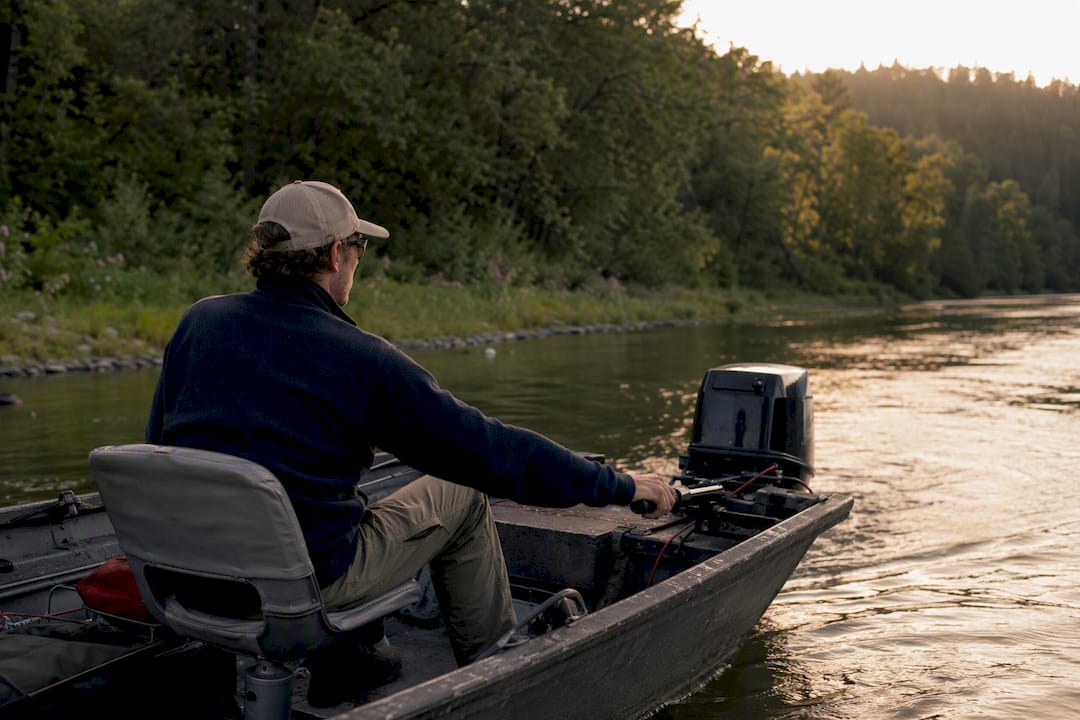
The rower’s job is to hold the boat nose-downriver and slow it to bottom speed, using oars to check momentum rather than accelerate it. You’ll feel it when it’s right: bait ticks bottom every several feet in a rhythm, not constantly and not never. Reading current seams and holding water from the rower’s seat is as much a skill as casting itself.
Cast order matters too. Working from the bow angler back to the stern, staggered by a beat or two, keeps lines from crossing and lets each bait settle before the next one lands.
- Nose the boat downriver and slow it to bottom-current speed, not surface speed.
- Cast in sequence, bow to stern, with a slight delay between anglers.
- Watch for baits dragging sideways, a sign the boat is moving too fast.
- If you’re constantly snagging bottom, you’re either too slow or too heavy. If you never touch bottom, speed up or add weight.
Where Do Winter Steelhead Hold During a Drift?
Prime water in winter means slots, riffle tails, ledges, and seams where current speed drops just enough for fish to rest without burning energy. These are the waters you’ll fish most of your day, and they reward a straightforward drift more than a complicated one.
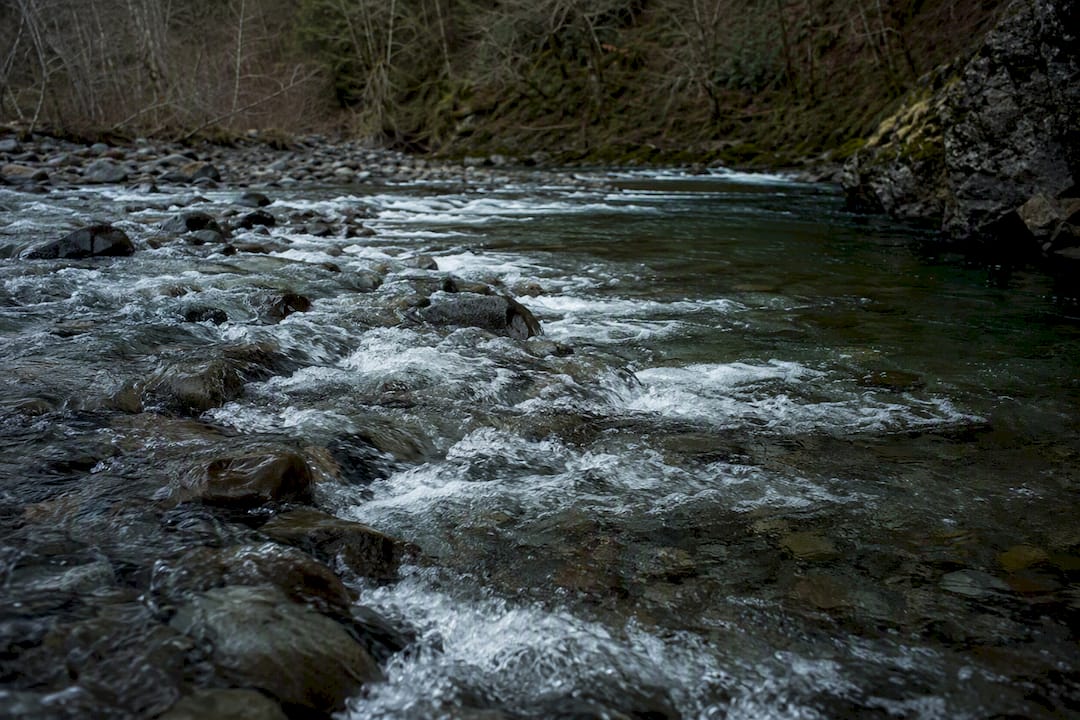
Pocket water gets skipped by anglers in a hurry, but a precise cast into a small bucket behind a boulder can produce a fish other boats never touched. It demands one accurate cast and the right weight rather than a long, sweeping drift.
Freshet mouths and alluvial fans, where smaller tributaries dump colder, oxygenated water into the main river, draw fish especially after a rain event. Undercut banks hold fish tight to structure, often within a rod’s length of the bank itself.
- Slots and riffle tails: standard drift, moderate weight.
- Pocket water: one precise cast, adjust weight for the pocket’s mass.
- Freshet mouths: fish immediately after a rise, before the bite window closes.
- Undercut banks: drift tight to the bank, expect quick strikes.
Ideal water depth for productive side drifting generally runs 2 to 8 feet, which covers most of the prime and pocket water you’ll encounter on a winter float. Don’t abandon a slot after one pass, either. Fish move, and a slot that produced nothing on your first run can hold a fresh arrival twenty minutes later.
How Do You Detect a Bite and Set the Hook?
A steelhead bite on a side drift rarely announces itself the way a hard strike does. Watch for a dip, a hesitation, or a subtle flutter in the rod tip, since these are usually visual cues before they’re tactile ones.
- Watch the rod tip, not just your hands. Most bites show up as a change in rhythm before you feel anything.
- Wait a beat. Give it one to three seconds after the dip to let the fish commit before you set.
- Set with a short, firm sweep, not a hard strip set, especially on sliding-weight rigs where slack needs to come tight first.
- Don’t confuse a bottom tick for a bite. Bottom hits feel sharp and single; bites feel like a pause or a soft pull that holds.
Pro Tip: If you’re missing fish, you’re probably setting too fast. Count “one, two” in your head before you sweep, and you’ll convert more of those subtle dips into solid hookups.
What Should You Pack to Keep Every Drift Consistent?
Break-offs happen constantly on rocky winter rivers, and downtime re-rigging costs you drifts you’ll never get back. Guides recommend carrying multiple pre-tied leaders and spare rods so a snag costs seconds, not minutes.
A solid winter boat day calls for at least six to eight pre-tied leaders per angler and one spare rod rigged and ready per rod on the boat. Beyond leaders, pack extra hooks, swivels, split shot or slinky material, needle-nose pliers, and a hook file, since a dull hook loses more fish than bad luck ever will. Check our terminal gear checklist before you launch.
- Standardize rod length, line test, leader length, and weight type across the whole boat.
- Pack 6 to 8 pre-tied leaders per angler, plus one spare rigged rod per rod.
- Agree on cast timing and call out hang-ups immediately so the rower can react.
What Do Guides Know About Side Drifting That Beginners Miss?
Guides who run side drifts every winter obsess over one thing above all: matching bottom speed. It’s the adjustment that separates a boat that catches fish from one that just floats past them.
Terminal gear position and the rate of your presentation matter more than any single component you tie on. A boat running the right speed with a mediocre rig will outfish a boat running the wrong speed with a perfect one.
Pocket water rewards patience and precision more than volume. Rig two or three rods with slightly different weights before you launch so you’re never caught without the right mass for a tight pocket. For deeper reading on bait selection and curing, our bait presentations guide breaks down when to switch hook sizes as water clarity changes through the season.
- Match bottom speed before worrying about bait color or hook style.
- Pre-rig multiple weights so pocket water doesn’t cost you a missed shot.
- Change hook size down in low, clear water; size up when flow and stain increase.
What Environmental Practices Should Side Drifters Follow?
Winter steelhead runs are under real pressure across the West Coast, and how you fish affects fish that survive the encounter as much as the ones you keep. Wild steelhead in most watersheds require careful handling, and a fish fought too long in cold water builds lactic acid it may not recover from.
Keep fight times short by using gear matched to the water, not undersized tackle that turns a quick fight into a five-minute battle. If you’re releasing a wild fish, keep it in the water, avoid squeezing the gill area, and support it facing upstream until it kicks off on its own power.
Barbless hooks, required in many winter fisheries, also make releases faster and safer for the fish. Check your specific river’s regulations before you launch, since barbless requirements and wild release rules vary by watershed and season.
Boat position matters for the fishery too. Repeatedly running the same slot at the same speed pressures fish and can push them out of prime holding water for other anglers behind you. Give a slot a rest after a couple of passes rather than grinding it into the ground, and be mindful of spawning gravel in late winter when steelhead begin staging for the spring run. Respecting redds and staging fish keeps water fishable for seasons to come, not just for your trip.
A Guide’s Take on What Actually Moves the Needle
I’ve watched two boats fish the same run, same bait, same weight, and one boat out-fishes the other three to one because the rower simply matched bottom speed better. That’s the whole game. Everything else, the corkie color, the bead size, is secondary. If you want a shortcut to consistency, build your terminal setup around gear that’s designed for how steelhead actually feed, which is exactly what High Class Tackle Co. built its terminal lineup to solve.
Where to Find Terminal Tackle Built for This Technique
Once you’ve got the technique dialed, the bottleneck becomes gear. A boat full of anglers running mismatched hooks, cures, and weight styles will never drift as clean as one running standardized components, and that’s exactly what Highclasstackleco built its lineup to solve.

Our Terminal Tackle & Components collection covers the hooks, swivels, and connectors you need to standardize rigs boat-wide before you ever launch. Pair that with beads sized for winter steelhead and Pro-Cure egg cure to hold scent and color through a full day of drifts. If you’re outfitting a whole boat for the season, the ‘NEW’ Component Tackle Box keeps every piece organized and grabbable mid-run. Browse the full lineup at High Class Tackle Co. and get your rigs standardized before your next winter float.
Frequently Asked Questions
What is side drifting steelhead exactly? Side drifting is a boat-based technique where anglers cast terminal gear or bait perpendicular to the boat and let it drift downstream at bottom-current speed, presenting the bait naturally to fish holding low in the water column.
What weight system works best for side drifting? It depends on the bottom. Slinky weights handle rocky, snag-prone bottoms well, pencil lead gives a direct feel in steady runs, and sploosh balls create the most natural drift in slower, deeper water.
How deep should the water be for side drifting steelhead? Most productive side drifting happens in 2 to 8 feet of water, which covers the slots, riffle tails, and pocket water steelhead favor in winter.
Why do side-drift bites feel so subtle? Steelhead often mouth a drifting bait rather than crushing it, producing a dip or flutter in the rod tip rather than a hard strike. Waiting a beat before setting gives the fish time to commit fully.
How many pre-tied leaders should I bring on a winter float? Plan for 6 to 8 pre-tied leaders per angler plus one spare rigged rod, since break-offs on rocky winter rivers are frequent and re-tying on the water burns fishing time.
Sources
- Side drifting for steelhead
- Steelhead Side-Drifting Strategies by Scott Haugen
- Side-Drifting for Winter Steelhead
- Best guide to side-drift for salmon
Recommended
- How Winter Steelhead Differ from Summer: Angler’s Guide – High Class Tackle Co.®
- How Steelhead Enter Rivers: Migration Guide for Anglers – High Class Tackle Co.®
- Types of Hooks for Steelhead Fishing: PNW Guide – High Class Tackle Co.®
- Steelhead Terminal Gear Checklist for PNW Anglers – High Class Tackle Co.®
0 comments