

A fishing camp weekend is a structured outdoor getaway where anglers combine active fishing with camping accommodations, guided instruction, and communal time in nature over one or two days. The experience goes well beyond a casual day trip. Guided adult packages typically run 1–2 days and cost $750–$1,350, covering guide services, camping gear, tackle, and meals. That price point reflects a full experience, not just a fishing license and a boat ramp. Whether you call it a fishing camp weekend, a weekend fishing getaway, or a guided fishing retreat, the format is the same: you show up, you fish hard, and you leave with new skills and a story worth telling.
What is a fishing camp weekend and what activities does it include?
A fishing camp weekend centers on time on the water, but the experience around that fishing is what makes it stick. Most programs build their days around a core set of activities that teach, challenge, and connect participants.
Fishing methods you will actually practice:
- Float fishing from drift boats or rafts on moving rivers
- Wade fishing in streams and tailwaters, reading current seams and pockets
- Boat fishing on lakes and reservoirs, covering structure and open water
- Fly casting and spin casting technique drills with guide feedback
Skills taught on the bank and at camp:
- Knot tying: clinch knots, Palomar knots, and loop-to-loop connections
- Lure selection based on water clarity, temperature, and target species
- Reading water to identify where fish hold and feed
- Catch and release handling to protect fish and local ecosystems
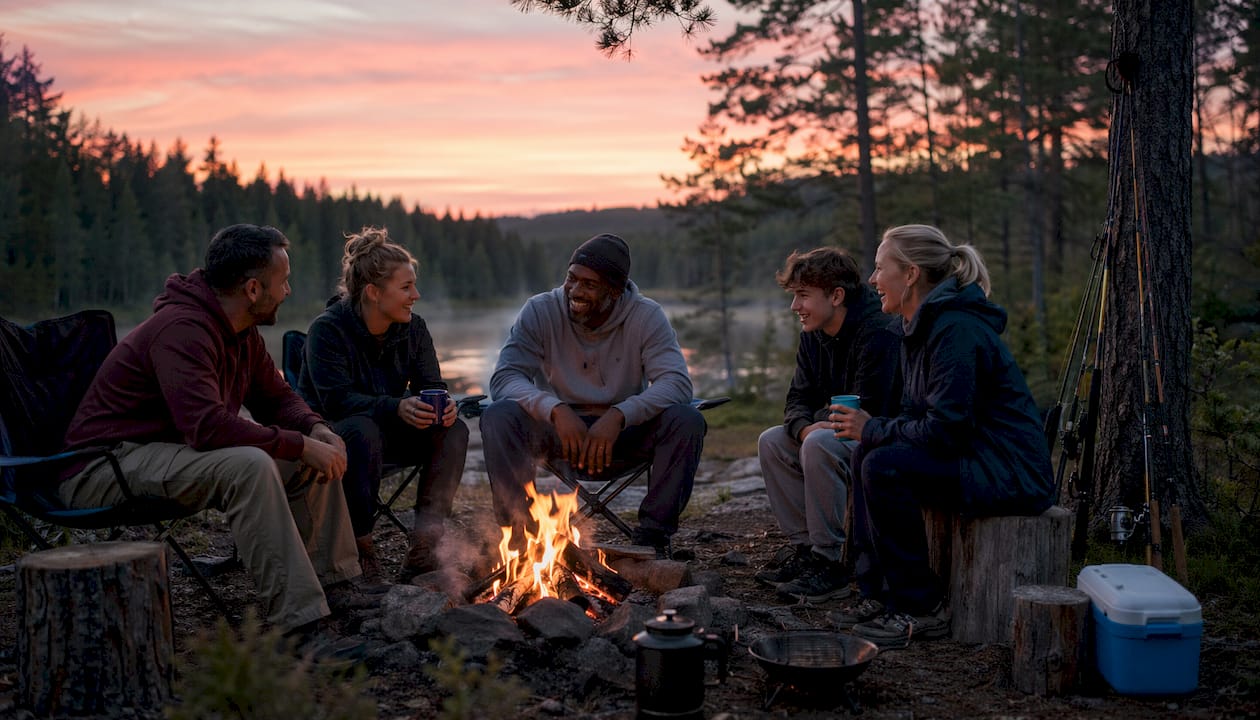
Beyond the fishing itself, camp community is a defining feature. Campfire meals, shared stories, and group problem-solving around a tough bite create bonds that a solo fishing trip never produces. Adults and youth experience this differently. Adult camps lean into technique and camaraderie. Youth camps add structured safety education and species identification alongside the social elements.
Pro Tip: Book a camp that guarantees at least four hours of guided water time per day. Guides who prioritize daily time on water over classroom instruction produce anglers who actually improve.
How do different types of fishing camp weekends compare?
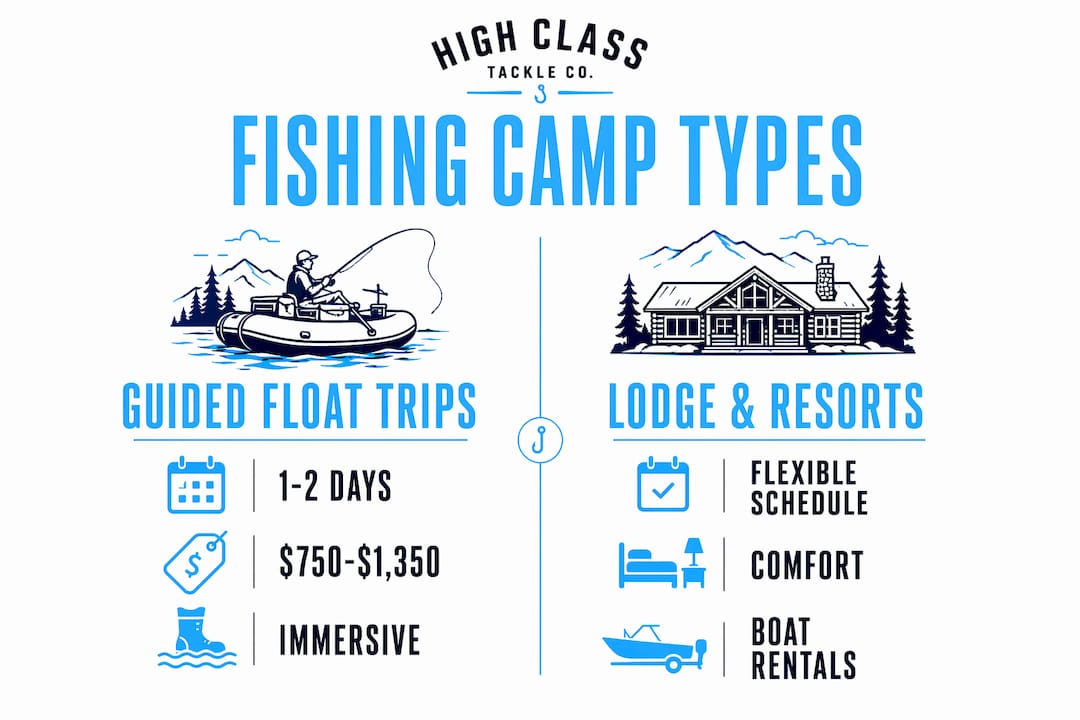
Not every fishing camp weekend looks the same. Three formats dominate the market, and each suits a different angler profile.
Guided float trip weekends
A guided float trip is the most immersive format. You spend the day on a river in a drift boat or raft, covering miles of water with a licensed guide reading every run. Camps in this category handle everything: camp setup, meals, and all tackle. Fitness and stamina matter more than most first-timers expect. Even trips marketed as “all fitness levels” involve long days on the water, uneven terrain, and variable weather. Pack light and prepare your legs.
Lodge and resort stays
Resort-based weekend fishing getaways trade wilderness immersion for comfort and flexibility. You choose your own schedule, rent a boat, and fish at your own pace from friday evening through Sunday. Lakefront cottages, boat rentals, and on-site bait shops make these trips easy to customize without sacrificing quality fishing. The tradeoff is that you lose the expert guidance that accelerates skill development.
Pro Tip: Book your boat rental at the same time you book your cabin. Prime watercraft reserves weeks in advance during summer weekends, and showing up without a boat at a lake resort defeats the purpose.
Youth fishing camps
Youth camps run longer, typically 4–6 days at around $450 per session, and serve anglers aged 6–17. The focus shifts from catching fish to building a foundation: knot tying, lure making, species identification, and water safety. These camps are structured, supervised, and designed to create lifelong anglers.
| Format | Duration | Typical Cost | Best For |
|---|---|---|---|
| Guided float trip | 1–2 days | $750–$1,350 | Adults wanting expert instruction |
| Lodge or resort stay | 2–3 days | Varies by lodging | Flexible self-guided fishing |
| Youth fishing camp | 4–6 days | ~$450 | Anglers aged 6–17 |
One detail most packages skip: fishing licenses are not included in guided camp pricing. You must secure your state or provincial license independently before arrival. Missing this step can shut down your entire trip on day one.
What should you consider when planning a fishing camp weekend?
Planning a fishing camp weekend well separates a great trip from a frustrating one. The logistics are manageable, but they require attention before you leave the driveway.
Gear and what camps typically provide:
- Most guided float trips supply rods, reels, terminal tackle, and waders
- Resort stays rarely provide tackle; bring your own or rent on-site
- Clothing layers, sun protection, and rain gear are almost always your responsibility
- Check our weekend packing guide for a full breakdown of what to bring versus what to leave home
Logistics that trip up first-timers:
- Secure your fishing license before you arrive, not at the camp gate
- Book guides, boats, and campsites simultaneously to avoid availability gaps
- Confirm meal inclusions in writing; some guided packages cover all meals, others cover none
- Identify the nearest bait shop and local eateries near your campsite. Local amenities add real value to the overall experience and reduce stress when you need supplies
Physical preparation matters more than most anglers admit. Multi-day active fishing demands stamina. Wade fishing on uneven river bottoms, rowing a drift boat, and carrying gear across terrain all tax your body. A few weeks of walking, light hiking, or swimming before your trip makes a measurable difference in how much you enjoy day two.
Pro Tip: For summer weekends, book everything at least six weeks out. Guides and quality campsites for fishing fill fast, and last-minute availability usually means second-choice water.
What are the benefits of a fishing camp weekend over other fishing trips?
A fishing camp weekend delivers things a solo day trip cannot replicate. The format is built for depth, not just distance.
The time efficiency alone sets it apart. A condensed 1–2 day format gives you a genuine recharge without burning a full week of vacation. You arrive Friday, fish hard Saturday and Sunday, and return home with a full experience rather than a partial one. The guided structure maximizes every hour on the water instead of spending half the day figuring out where to fish.
Skill development accelerates dramatically under expert guidance. Guides provide a masterclass experience that casual anglers cannot replicate on their own. Reading water, adjusting presentations, and understanding fish behavior in real time with a professional watching your technique is worth more than a season of solo trial and error.
The social dimension is underrated. Fishing camps serve community and environmental enrichment roles that go well beyond catching fish. Shared meals, group problem-solving on a tough bite, and the rhythm of camp life create connections that outlast the weekend. For anglers aged 25–50 who spend most of their week behind a screen, that unplugging effect is real and lasting.
“The best fishing camp weekends combine world-class angling with the kind of local flavor and community that makes a place worth returning to. It’s not just about the fish. It’s about the whole experience of being somewhere that rewards your attention.”
That combination of skill, community, and nature access is why fishing camp weekends have grown into a distinct category of outdoor travel. They are not just fishing trips. They are experiences designed to make you a better angler and a more connected person.
Key Takeaways
A fishing camp weekend delivers the most value when you choose the right format, prepare your body and gear, and book early enough to secure the best water and guides.
| Point | Details |
|---|---|
| Know your format | Guided float trips, resort stays, and youth camps each suit different skill levels and goals. |
| Budget for licenses | Fishing licenses are rarely included in camp packages; secure yours before arrival. |
| Book early | Guides, boats, and prime campsites fill weeks in advance, especially in summer. |
| Prepare physically | Multi-day active fishing demands stamina; light training before the trip pays off on the water. |
| Prioritize water time | Choose camps that guarantee substantial daily guided time on the water for real skill gains. |
Why fishing camp weekends changed how I think about the sport
The first time I showed up to a guided float trip, I thought my years of solo fishing had me prepared. I was wrong in the best possible way. Watching a guide read a river in real time, pointing out holding water I had walked past a hundred times, reset my entire understanding of the sport. That single weekend taught me more than two seasons of fishing on my own.
What I underestimated was the logistical side. I almost missed my trip because I forgot to pull my fishing license before leaving. The guide was patient about it, but I was not. That kind of oversight is avoidable with a simple checklist, and it is the kind of thing first-timers consistently skip. Check out the steelhead terminal gear checklist for a solid starting point on what to organize before you go.
The community piece surprised me most. I expected to fish. I did not expect to still be talking to the guys from that trip two years later. There is something about shared cold mornings, tough bites, and campfire meals that accelerates friendship. If you are on the fence about whether a fishing camp weekend is worth the investment, the answer is yes. Book it early, prepare honestly, and show up ready to learn.
— Nick
Gear up for your next fishing camp weekend with Highclasstackleco
Highclasstackleco builds gear for anglers who take their time on the water seriously. Whether you are heading into a guided float trip on a Pacific Northwest river or setting up at a lakeside resort for a self-guided weekend, having terminal tackle that performs under real conditions makes every cast count. The full tackle lineup at Highclasstackleco covers everything from flashers and blades to hooks and components built for salmon, steelhead, and kokanee. For a targeted selection of hooks and rigging components ready for camp fishing, the terminal tackle collection is the right place to start. If you are shopping for a fellow angler heading out on a fishing retreat, a digital gift card lets them pick exactly what they need.
FAQ
What is included in a guided fishing camp weekend?
Most guided fishing camp weekends include professional guide services, camping gear, tackle, and meals for the duration of the trip. Fishing licenses are typically not included and must be purchased independently before arrival.
How much does a fishing camp weekend cost?
Guided adult fishing camp weekends generally cost between $750 and $1,350 for a 1–2 day experience. Youth fishing camps run longer at 4–6 days and cost around $450 per session.
What should I bring to a fishing camp weekend?
Bring clothing layers, rain gear, sun protection, and personal items. Most guided trips supply rods, reels, and tackle, but resort stays rarely provide gear. A detailed angler’s packing guide can help you build the right kit for your specific format.
Do I need a fishing license for a fishing camp weekend?
Yes. Fishing licenses are almost never included in camp package pricing. You must secure the appropriate state or provincial license before you arrive at camp.
When should I book a fishing camp weekend?
Book at least six weeks in advance for summer weekends. Guides, quality campsites for fishing, and boat rentals at popular resorts fill quickly during peak season, and early booking secures the best water and accommodations.
Recommended
- Weekend Fishing Trip Packing: The 2026 Angler’s Guide – High Class Tackle Co.®
- What Is a Fishing Tournament? Your Complete Guide – High Class Tackle Co.®
- What Is a Fishing Challenge Online? Your 2026 Guide – High Class Tackle Co.®
- What Is a Fishing Collab? Your Complete Angler’s Guide – High Class Tackle Co.®
0 comments