

Most anglers think a fishing media brand is just a YouTube channel or a magazine with pretty fish photos. That’s selling it short. A fishing media brand is a multi-platform operation producing expert-driven content across TV, podcasts, social media, and digital hubs, connecting anglers with techniques, gear, and conservation in a way that shapes how people fish. These brands carry real influence, real audiences, and increasingly, real money. Whether you’re an angler trying to find trustworthy content or a creator looking to build something serious, understanding what makes a fishing media brand tick changes everything.
Table of Contents
- Key takeaways
- What is a fishing media brand, really
- How digital platforms changed fishing media
- What separates credible brands from casual creators
- Practical moves for anglers and creators
- My honest take on fishing media brands
- Gear up with Highclasstackleco
- FAQ
Key takeaways
| Point | Details |
|---|---|
| More than social media | A fishing media brand spans multiple platforms and content types, not just Instagram posts. |
| Legacy and digital coexist | Brands like In-Fisherman prove longevity, while digital creators are rewriting the revenue playbook. |
| Credibility is earned | Respected brands explain the why behind techniques using data, not just hype. |
| Creators need funnels | Short-form video captures attention, but long-form content builds loyalty and real income. |
| Engagement beats posting | Two-way conversations drive algorithm visibility and attract sponsorship deals worth chasing. |
What is a fishing media brand, really
At its core, a fishing media brand is a multi-platform content entity that connects anglers to the sport through education, entertainment, gear coverage, and conservation storytelling. It is not a single post or a one-time viral clip. It is a sustained, organized presence built around a specific fishing identity.
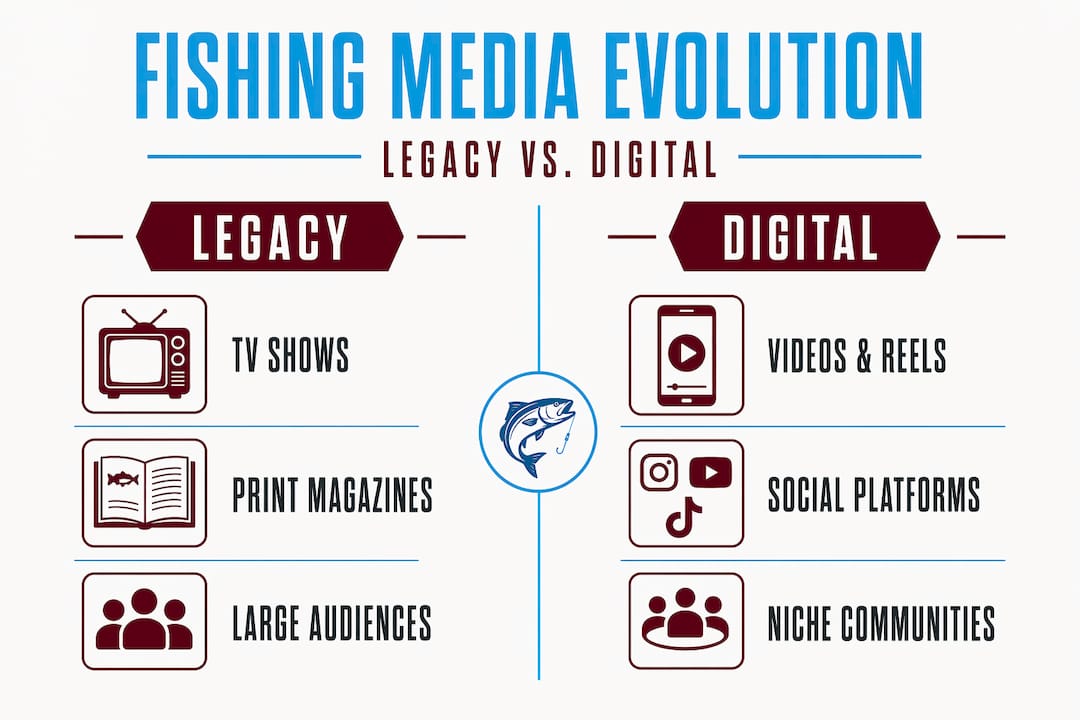
Think about what separates a true fishing media brand from someone who posts fish pics on weekends. The brand operates across channels simultaneously. It might run a print magazine, host a weekly podcast, publish long-form YouTube content, and push short clips on TikTok, all under one recognizable name and voice. The audience knows what to expect, and the brand delivers consistently.
Here is what fishing media content actually looks like across its main categories:
- Educational content: Technique breakdowns, species behavior, seasonal patterns, rigging tutorials
- Entertainment content: Trip vlogs, tournament coverage, adventure storytelling
- Gear reviews: Honest tackle and rod assessments, often tied to sponsorships
- Conservation content: Habitat protection, catch-and-release science, regulatory updates
- Community content: Viewer Q&As, comment-driven topics, local fishing reports
The legacy example that defines this category is In-Fisherman. With a 50-year legacy and 500-plus TV episodes, In-Fisherman built authority by treating fishing as a science and a culture simultaneously. That combination of depth and reach is the blueprint every serious fishing media brand studies.
| Brand type | Primary platform | Content focus | Audience size |
|---|---|---|---|
| Legacy media brand | TV and print | Education and conservation | Millions |
| Digital-first brand | YouTube and podcasts | Technique and gear | Hundreds of thousands |
| Influencer brand | TikTok and Instagram | Entertainment and lifestyle | Tens of thousands to millions |
| Niche subscription brand | Substack or Patreon | Expert deep-dives | Thousands of highly engaged readers |
How digital platforms changed fishing media
The shift that happened over the last five years in fishing media is not subtle. Platforms rewrote the rules, and the brands that adapted are now generating serious revenue.
Short-form video is the biggest driver right now. Instagram Reels and TikTok receive far higher algorithmic priority than static photos, and for fishing brands, that translates directly into bookings, product sales, and follower growth. A 60-second clip of a salmon exploding on a surface lure will outperform a beautifully composed photo every single time in 2026.

The monetization numbers are real and they are bold. Top fishing influencers have turned viral moments into serious paydays. Jon B., one of the most recognized names in fishing content, earned over $120,000 from a single viral orca hunting salmon video. That is not a fluke. That is what happens when a fishing media brand has built the audience, the trust, and the platform presence to capitalize on a single piece of content.
Here is how the smartest fishing media brands structure their digital strategy in 2026:
- Hook on short-form. Post high-energy clips on TikTok and Reels to capture new audiences who have never heard of you.
- Convert to long-form. Drive those viewers to YouTube for full trip videos, technique deep-dives, and gear breakdowns where watch time generates ad revenue.
- Monetize the loyal core. Move your most engaged followers to subscription platforms for premium content they cannot get anywhere else.
- Layer in sponsorships. Use your engagement data to pitch tackle companies, apparel brands, and outdoor retailers for deals.
- Diversify revenue. Add merchandise, affiliate links, and event appearances to reduce dependence on any single income stream.
Expert creators are also turning to subscription platforms like Substack to deliver niche, in-depth content that generic social feeds simply cannot support. These are anglers who want inside analysis on water conditions, migration timing, and gear science. That audience will pay for it.
Pro Tip: Build your content funnel deliberately. Short-form clips are your front door, not your living room. Get people in, then give them a reason to stay on YouTube or Substack where the real relationship, and the real revenue, gets built.
What separates credible brands from casual creators
This is where fishing media content explained properly gets interesting. Not every account with a rod and a camera is a fishing media brand. The difference shows up fast when you know what to look for.
Credible fishing media brands explain the why behind techniques rather than just showing the catch. They tell you why a chartreuse flasher works better in turbid water. They explain how barometric pressure shifts affect salmon holding depth. That contextual depth is what separates a media brand from a highlight reel.
Generic pages post vague captions. Media brands explain water conditions and gear choices that are directly relevant to the catch you are watching. That specificity is not accidental. It is a deliberate editorial choice that builds trust with serious anglers who can smell lazy content from a mile away.
There is also the credibility issue around conservation. Fishing media brands that want long-term respect rely on scientific data rather than personal anecdotes when covering habitat and species topics. Brands that spread misinformation through emotional storytelling without factual backing have damaged their reputations in both the angling and conservation communities. The ones that last cite their sources and acknowledge complexity.
“The best fishing media brands don’t promise you a full cooler. They teach you how to read the water so you can figure it out yourself. That’s the difference between content that entertains and content that actually makes you a better angler.”
Engagement behavior is another clear marker. Two-way conversations drive algorithm visibility and attract brand deals. Brands that respond to comments, ask questions, and build community around their content grow faster and attract better sponsorship opportunities than accounts that post and disappear.
Practical moves for anglers and creators
Whether you are an angler trying to get more out of fishing media or a creator trying to build something real, the playbook looks different depending on which side you are on.
For anglers consuming fishing media, the smartest move is to diversify your sources. Follow one or two legacy brands for foundational knowledge, a few digital creators for current tactics and gear reviews, and at least one niche subscription source for the kind of deep analysis that does not show up in a 60-second clip. Cross-referencing what you learn across these types of brands will sharpen your fishing faster than any single source can.
For creators building fishing media brands, the biggest mistake is treating social media as a static photo gallery. Sustained engagement is what builds meaningful audience relationships and keeps the algorithm working in your favor. Post consistently, respond to every comment in the first hour, and ask your audience questions that invite real answers.
Niche focus matters more than most new creators realize. The West Coast salmon and steelhead space is not the same audience as bass fishing in the South or walleye fishing in the Midwest. Pick your lane, own it, and build authority there before you try to expand. Brands that try to cover everything early end up being known for nothing.
Pro Tip: Content creators should design their platforms as funnels. A multi-platform content funnel that moves followers from a 30-second TikTok to a 20-minute YouTube breakdown to a paid Substack newsletter is how you build a business, not just a following.
| Creator stage | Best platform | Content goal | Monetization method |
|---|---|---|---|
| Starting out | TikTok and Reels | Reach and discovery | Brand gifting and affiliate links |
| Growing | YouTube | Depth and loyalty | Ad revenue and sponsorships |
| Established | Substack or Patreon | Premium community | Subscriptions and merchandise |
| Full brand | All platforms combined | Authority and culture | Multi-stream revenue |
My honest take on fishing media brands
I’ve watched a lot of anglers underestimate what it actually takes to build a fishing media brand. They see a viral clip and think the hard part is catching the fish. It is not. The hard part is showing up consistently, building a content system that works without burning you out, and earning trust from an audience that has seen every gimmick in the book.
What I’ve learned watching this space evolve is that the brands with staying power are the ones that balance data-driven content with genuine storytelling. Numbers matter. Water temperature, migration data, gear specifications. But numbers without a story put people to sleep. The brands that figure out how to make the science feel like an adventure are the ones that build real communities.
I’ve also seen creators blow up fast and crash just as quickly because they chased virality instead of depth. One great clip does not make a brand. A brand is what you build between the great clips. It is the consistency, the voice, the trust that accumulates over months and years of showing up.
If you are an angler, be a smart consumer of fishing media. Demand context, not just catches. If you are a creator, treat this like the serious business it can be. The fishing media space rewards those who put in the work with both audience loyalty and real income. Neither comes easy, but both are absolutely worth chasing.
— Nick
Gear up with Highclasstackleco
Fishing media brands get you fired up to hit the water. Highclasstackleco makes sure you show up ready. Built by anglers for anglers on the Pacific Northwest coast, Highclasstackleco designs tackle that actually performs in real conditions, whether you are chasing salmon, steelhead, or saltwater species.
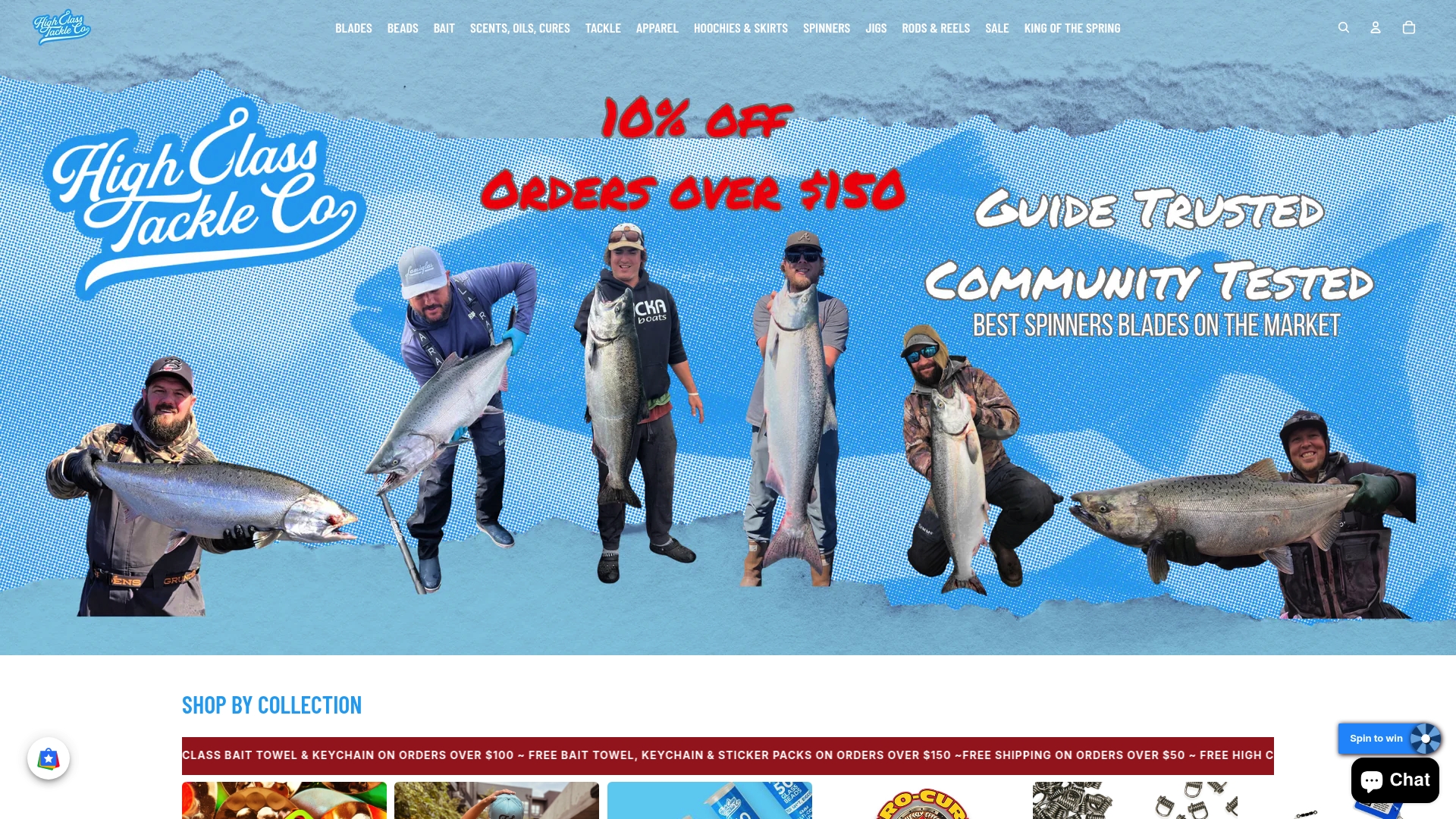
If the content you have been watching has you dialing in your terminal gear, check out the Size 2 Treble Hooks built for serious hook-up ratios on West Coast species. Want to rep the culture while you fish? The Boats and Cohos Tee says everything without saying a word. Highclasstackleco is where the content you love meets the tackle that delivers. Explore the full lineup and put what you have learned to work on the water.
FAQ
What is a fishing media brand in simple terms?
A fishing media brand is a multi-platform operation that produces fishing content across TV, social media, podcasts, and digital platforms to educate, entertain, and connect anglers. It goes far beyond a single social media account or occasional video post.
How do fishing media brands make money?
Fishing media brands monetize through ad revenue on platforms like YouTube, brand sponsorships, merchandise sales, subscription content on platforms like Substack, and affiliate marketing tied to gear recommendations.
What makes a fishing media brand credible?
Credible fishing media brands explain the reasoning behind techniques using real data, avoid overhyped promises, and engage actively with their audience. Brands that rely on scientific data over anecdotes build the most lasting trust.
How is a fishing media brand different from a casual creator?
A fishing media brand operates with consistent editorial strategy, multi-platform presence, and contextual depth in its content. A casual creator posts occasionally without a clear content system or audience growth strategy.
Can a new creator build a fishing media brand from scratch?
Yes. Starting with short-form video on TikTok or Reels to build reach, then converting followers to YouTube and subscription platforms for deeper content, is the proven path. Niche focus and consistent engagement matter more than production quality in the early stages.
0 comments